Cold Plunge Benefits for Women: Ice Therapy for Skin & Glow
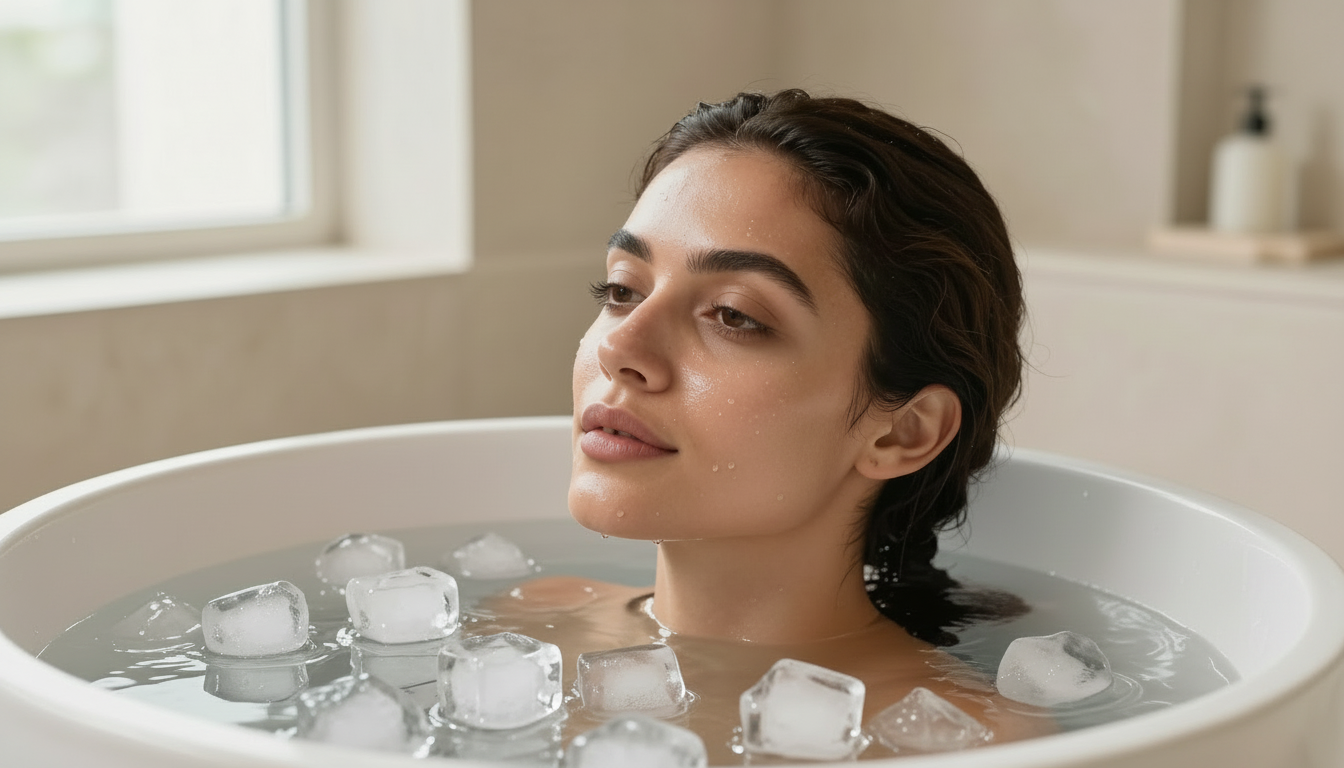
The cold plunge trend didn't start as a beauty trick, it started as a recovery practice for athletes, but the skin benefits people noticed along the way are exactly why it's still everywhere in 2026. Tighter-looking skin, visibly de-puffed eyes, and the kind of alert, awake energy that reads as main character energy before you've even done your makeup, all trace back to one simple physiological mechanism: cold constricts blood vessels near the surface of your skin. It's a trend that rewards understanding the mechanism rather than just following the aesthetic, since knowing what's actually happening is what lets you get real results without overdoing it. This guide breaks down what cold exposure actually does to your face, what's real versus temporary, and how to start without shocking your system.
In this guide:
- What cold exposure actually does to your skin
- The real reason cold plunges brighten tired eyes
- Does cold therapy actually tighten skin, or is it temporary
- How to do a beginner-friendly cold plunge or ice facial
- Building cold exposure into your beauty routine safely
- Who should skip cold plunge beauty, and why
What Cold Exposure Actually Does to Your Skin
Cold temperature causes vasoconstriction, the narrowing of blood vessels close to the skin's surface, which is the mechanism behind nearly every cosmetic claim made about ice therapy. Vasoconstriction temporarily reduces fluid buildup and visible swelling, which is exactly why athletes have iced injuries for decades before anyone called it a beauty routine. Applied to the face, that same mechanism reads as smaller-looking pores, a firmer surface, and noticeably less puffiness, all within minutes, without a single product involved. It's a genuinely real effect, not a placebo, it's just working through circulation rather than any deeper structural change to your skin. The effect is also why the trend photographs so well: the tightening and de-puffing happen fast enough to be visible within minutes, which is part of why so much of this trend lives on video.
The Real Reason Cold Plunges Brighten Tired Eyes
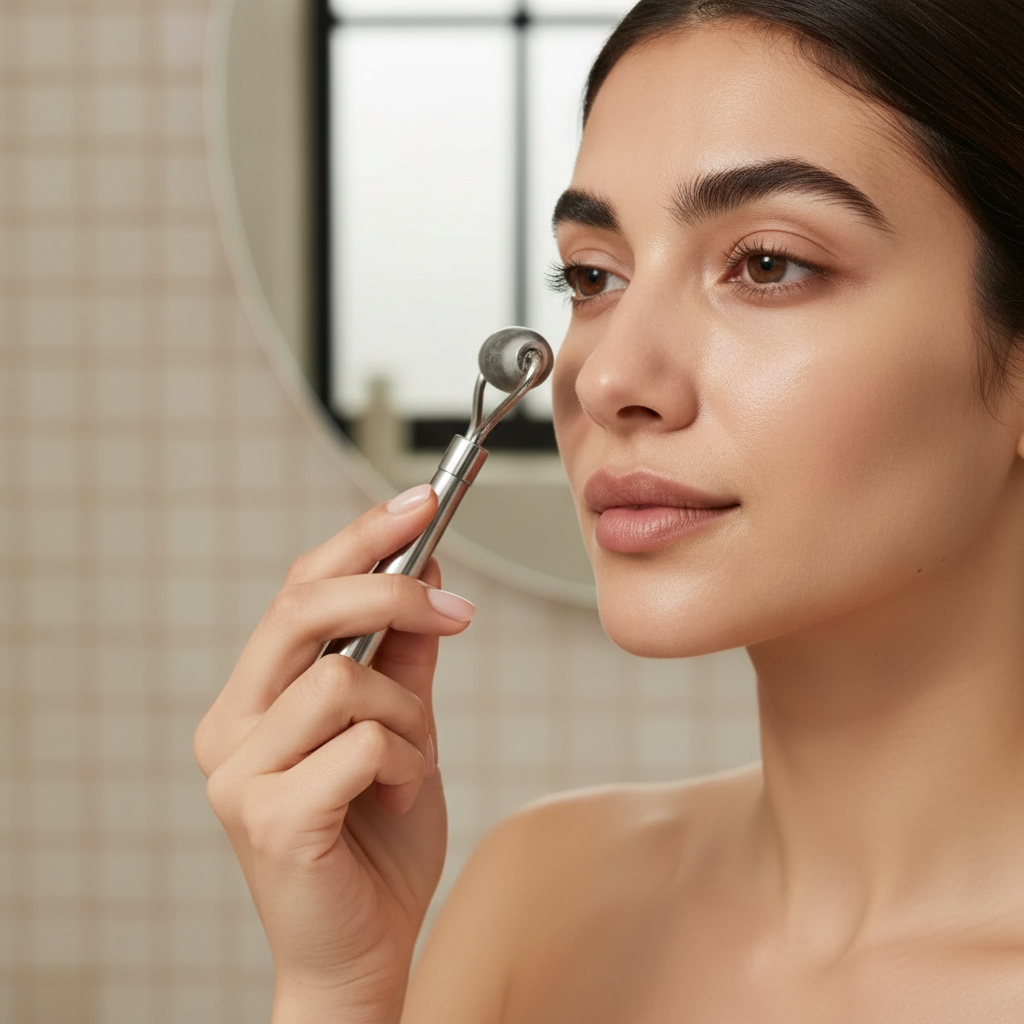
Under-eye puffiness is usually fluid that's pooled overnight or after a salty meal or a poor night's sleep, and cold is one of the fastest ways to move it along. Constricting the blood vessels around the eyes reduces that pooled fluid almost immediately, which is why chilled spoons, ice rollers, and cold eye masks have been a backstage makeup-artist trick for decades, long before cold plunges became a wellness headline. The brightness people notice isn't a separate effect, it's simply what your eyes look like once the puffiness that was dulling them is temporarily gone. Keeping a jade roller or a couple of clean spoons in the freezer is a low-effort way to get the eye-specific benefit on mornings when a full plunge isn't realistic.
Does Cold Therapy Actually Tighten Skin, or Is It Temporary
Here's the honest answer, since it's worth knowing before you build a routine around it: cold gives a real, visible tightening effect, but it's temporary, lasting a few hours rather than permanently changing your skin's structure. Vasoconstriction firms the surface the same way it reduces puffiness, which makes it a genuinely useful pre-event trick, but it isn't building collagen or reversing fine lines on its own. The longer-term beauty payoff of regular cold exposure comes from somewhere slightly different: more consistent circulation, lower stress hormones, and better sleep all support skin that looks healthier over time, which is a real benefit, just a different one than an overnight transformation. Treat the instant tightening as a genuine tool for a specific moment, a big event, a tired morning, rather than a replacement for the slower work a consistent skincare routine still does.
How to Do a Beginner-Friendly Cold Plunge or Ice Facial
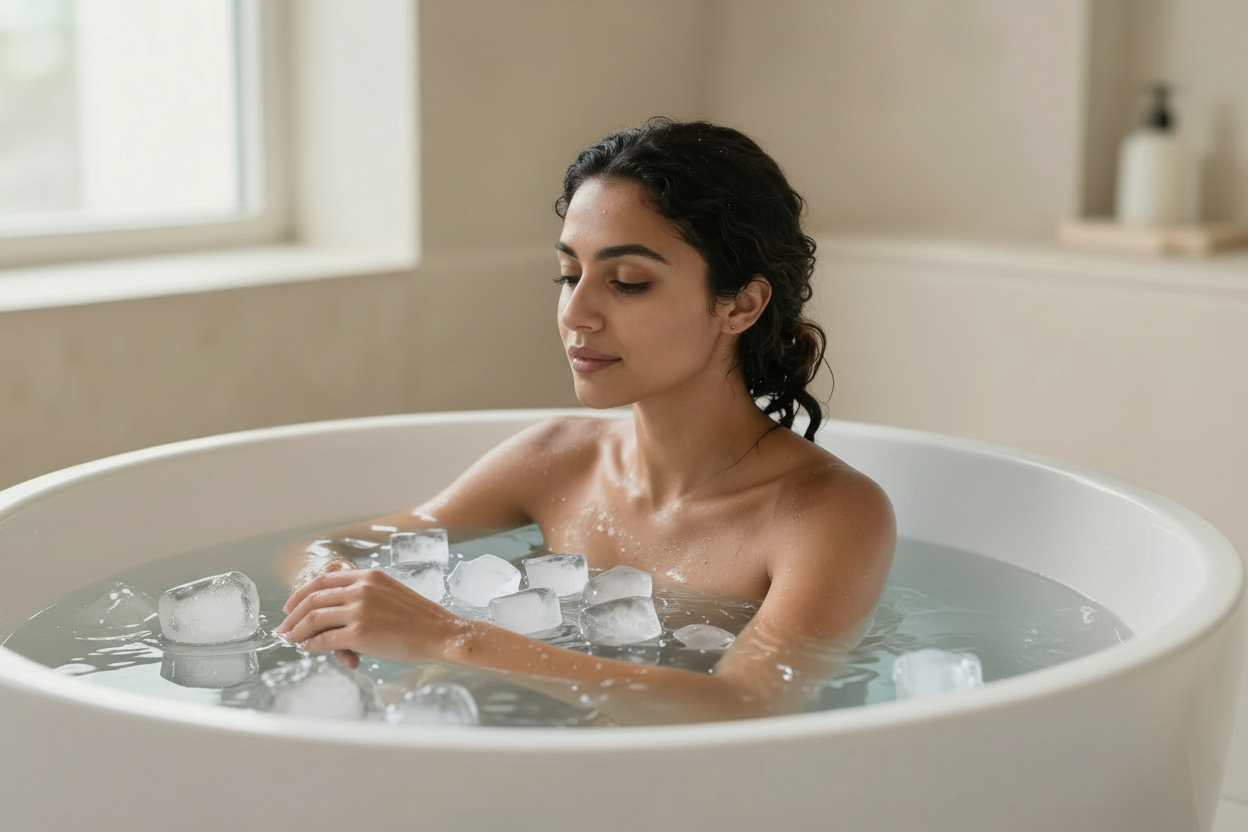
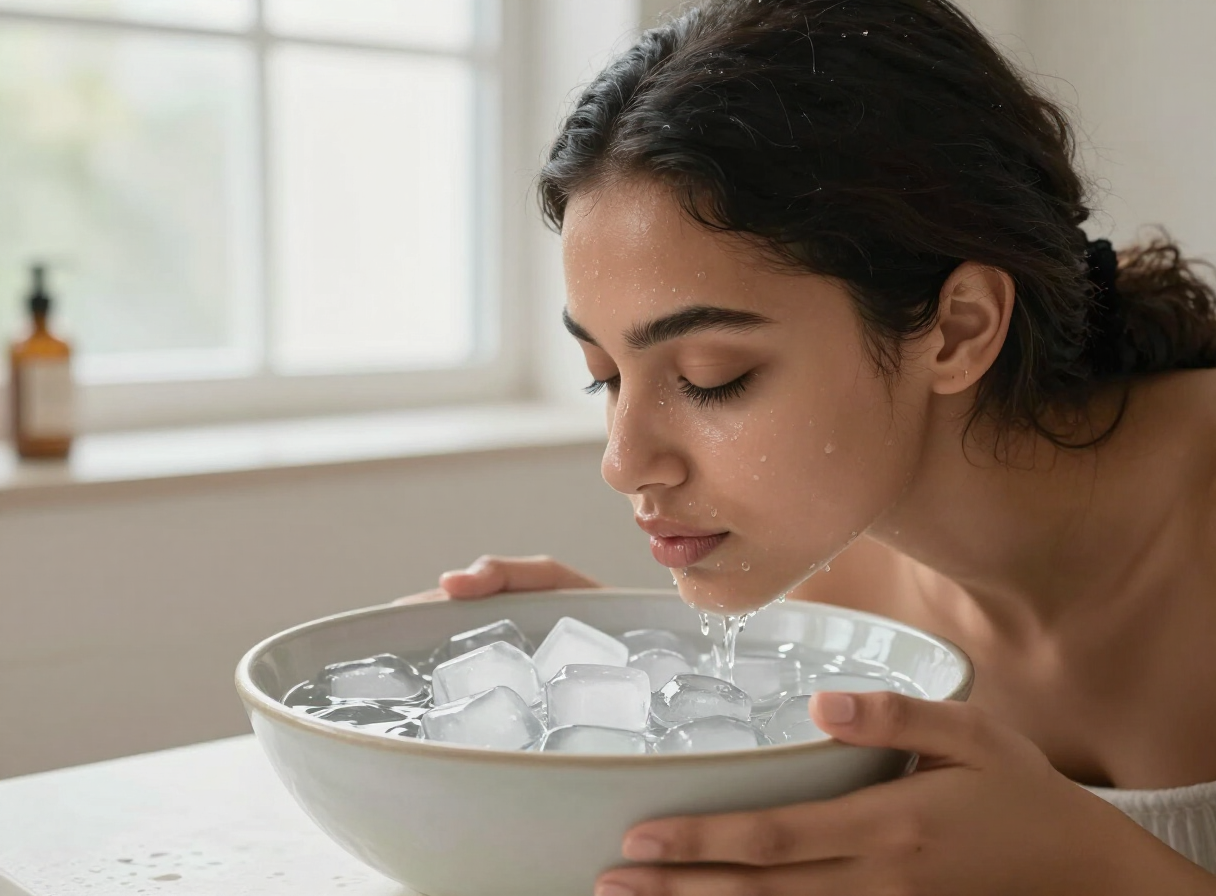
Start smaller than you think you need to. A cold water face rinse for fifteen to thirty seconds at the end of your normal cleansing routine is the easiest entry point and needs no equipment at all. From there, an ice roller or a few ice cubes wrapped in a thin cloth, moved gently across your face for a minute or two, ramps up the effect without any shock to your system. If you're building toward a full cold plunge or cold shower finish, start at thirty seconds and build up gradually over several weeks rather than jumping straight into a long, intense session, since your tolerance genuinely does build with repeated, gentle exposure.
Building Cold Exposure Into Your Beauty Routine Safely
A cold face rinse or ice roller can reasonably be a daily habit, it's gentle enough to not need much recovery. A full cold plunge or cold shower is different, most people find two to four times a week sustainable without it becoming a chore they dread. Morning is the better time for it if you can manage it, since cold exposure triggers a genuine alertness response that can work against you if you're trying to wind down before bed. Pay attention to how your skin feels afterward too, tight and bright is the goal, uncomfortably numb or irritated means you've gone colder or longer than your skin actually needs.

Who Should Skip Cold Plunge Beauty, and Why
Cold plunge beauty isn't risk-free for everyone, and it's worth being direct about that. Anyone with a cardiovascular condition, uncontrolled blood pressure, Raynaud's disease, or a circulation-related condition should check with a doctor before starting any form of cold water immersion, since the body's cold shock response genuinely stresses the cardiovascular system. Pregnant women should also check with their doctor first. Even outside those groups, easing in gradually rather than starting with a long, intense plunge is the safer approach for absolutely everyone, since the involuntary gasp reflex triggered by sudden cold exposure is a real and well-documented response, not an exaggeration. If you're ever plunging in open water rather than a controlled tub, never do it alone, the combination of cold shock and unpredictable water is exactly where most real risk actually lives, far more than the temperature itself.
Frequently Asked Questions
How long should a cold plunge be for beauty benefits?
Most of the visible de-puffing and tightening effect shows up within the first thirty to sixty seconds. Longer sessions add recovery and mood benefits but don't meaningfully add to the cosmetic effect on your face.
Is a cold shower as effective as a full cold plunge for skin?
For facial benefits specifically, yes, largely. The vasoconstriction effect on your skin works the same way whether the cold water is coming from a shower head or a full plunge tub.
Can cold therapy help with acne, or is it just for puffiness?
It can help temporarily calm visible redness and inflammation around a breakout, but it isn't a treatment for the underlying causes of acne, which usually need a dedicated skincare routine or dermatologist input.
Will cold exposure actually reduce wrinkles over time?
Not directly. Cold doesn't rebuild collagen, though the circulation and stress-reduction benefits of a regular practice can support skin that looks healthier overall, which is a real but different kind of benefit.
What's the difference between an ice facial and a cold plunge?
An ice facial targets just your face with ice or chilled tools for a quick, low-commitment de-puffing effect. A cold plunge involves your whole body and adds circulation, mood, and recovery benefits an ice facial alone doesn't reach.
Is it safe to do cold plunges every day?
For most healthy people, yes, in short sessions, though many find two to four times a week just as effective and easier to sustain long term. Listen to your skin and your energy levels rather than forcing a daily habit if it starts feeling like a chore.
Does it matter what order I do it in during my skincare routine?
Cold exposure works best right after cleansing and before serums or moisturizer, since constricted pores and firmer skin can actually help products sit better on the surface rather than sinking in unevenly.
Conclusion
The cold plunge beauty trend earned its staying power honestly, the de-puffing and tightening effects are real, they're just temporary rather than magic. Used consistently and safely, a little cold does a lot of quiet, visible work, and the rest of the glow comes from the same regular circulation and stress relief that made the practice worth trying in the first place.
A little cold, used consistently, does more for your glow than a lot of product used occasionally. Explore more ideas and inspiration in the Glow Pillar at healzenglow.com/glow.
References:
- [1] Dermatological and physiological research on cold-induced vasoconstriction and its short-term cosmetic effects on skin.
- [2] Søberg, S., et al. Contemporary research on cold water immersion, thermogenesis, and mood and alertness effects.
- [3] Skincare and dermatology literature on temperature-based techniques including ice rollers, cold facials, and cryotherapy.