
How to Boost Collagen: Anti-Aging Rituals That Work in 2026
Which anti-aging rituals actually work in 2026 — the real science on bone broth, collagen peptides, and red light therapy for skin, and what to skip.
Collagen is having one of the longer wellness moments on record, bone broth simmering on stovetops, red light masks charging on bathroom counters, powder scooped into coffee, and unlike a lot of what trends through skincare culture, some of this actually has real evidence behind it. The trouble is that the evidence isn't evenly distributed across the rituals people are lumping together under "anti-aging." This guide separates what the research genuinely supports from what's riding on the coattails of a good story, covering the biology of collagen loss, what bone broth can and can't do, and why red-light therapy has become one of the more credibly evidenced tools in the category.
In this guide:
- What collagen actually does, and why it declines
- Bone broth: what the marketing says versus what digestion does
- Collagen peptide supplements: where the real evidence sits
- Red light therapy: the mechanism and the clinical trials
- Building a realistic weekly ritual
- The first priority: sunscreen and retinoids
- Buying a red-light device without wasting money
What Collagen Actually Does, and Why It Declines
Collagen is the structural protein that gives skin its firmness and elasticity, think of it as the scaffolding holding everything taut underneath the surface. Production peaks in your twenties and then declines at a fairly steady rate afterward, compounded by UV exposure, which breaks down existing collagen faster than the body naturally replaces it. This is the actual mechanism behind sagging and fine lines: not a lack of moisture, but a genuine structural loss in the dermis. Anything marketed as "anti-aging" is, at some level, making a claim about this specific process, which makes it worth checking what each ritual is actually doing to it, rather than taking the claim at face value.
Bone Broth: What the Marketing Says Versus What Digestion Does
The claim behind bone broth is straightforward: it's rich in collagen from simmered bones and connective tissue, so drinking it should supply your skin with collagen directly. The digestive reality is less direct. Collagen is a large protein, and like any protein you eat, it gets broken down during digestion into individual amino acids and small peptides before your body absorbs it, it doesn't travel from your mug to your cheekbones intact. Your body then uses those amino acids as raw material to build whatever protein it needs at the time, skin collagen included, but there's no guarantee the collagen you drink gets earmarked for your face specifically over your gut lining, your muscles, or anywhere else protein happens to be needed that day.

None of this makes bone broth useless, it's a genuinely good source of protein and amino acids, including glycine and proline, which are disproportionately abundant in collagen and useful raw material for your body to have on hand. It just means the direct, specific "broth to face" pathway the marketing implies isn't how digestion actually works, and it's worth wanting bone broth for what it credibly offers rather than for a mechanism it doesn't have.
Collagen Peptide Supplements: Where the Real Evidence Sits
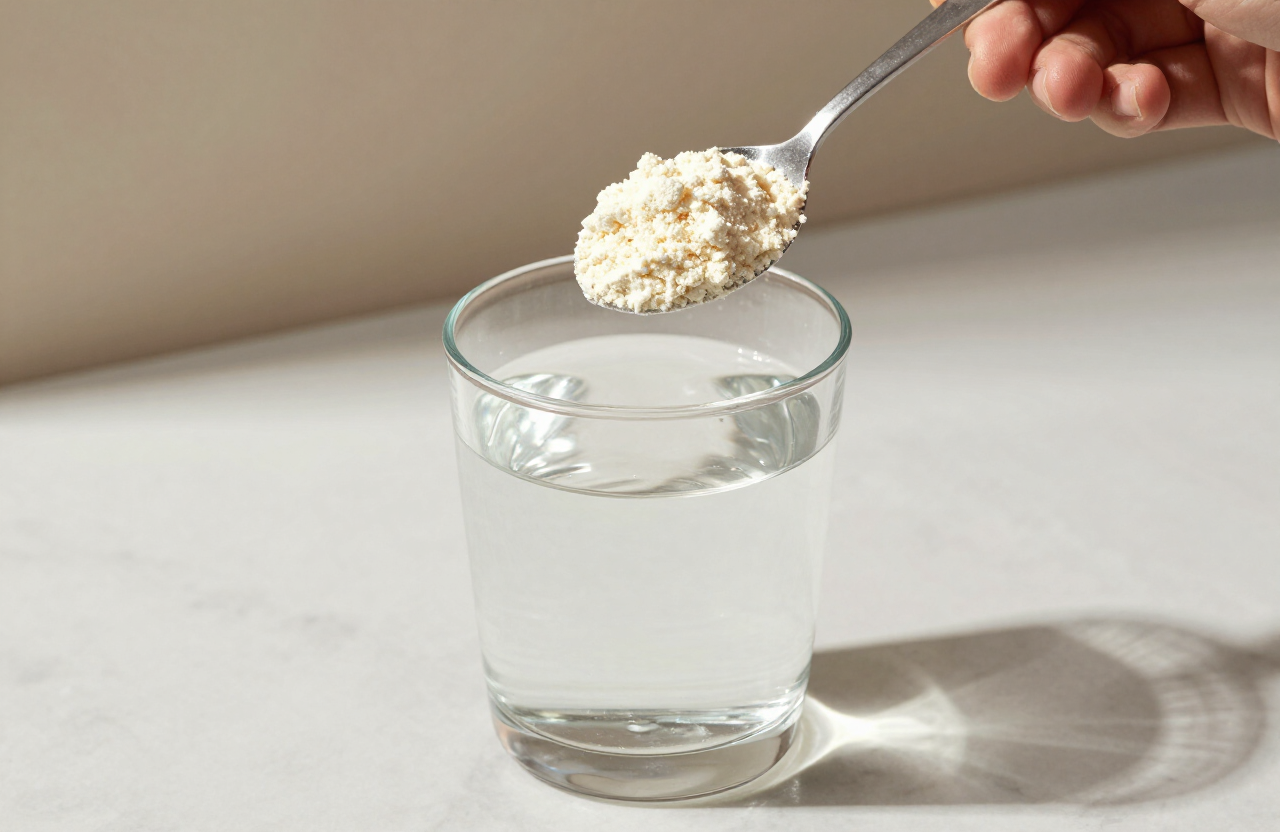
Hydrolyzed collagen peptides, collagen that's been pre-broken-down into smaller peptide chains before you consume it, have a meaningfully different evidence base than bone broth, largely because they've actually been studied in randomized trials rather than assumed to work by analogy. Several controlled studies have found measurable improvements in skin elasticity and hydration after consistent daily use over eight to twelve weeks, and there's a proposed mechanism that goes beyond "more raw material": some of these smaller peptides appear to act as signaling molecules that stimulate fibroblasts to produce more of the body's own collagen, rather than only supplying building blocks. The effect sizes in these trials are real but modest, this is a supporting player in a skin routine, not a replacement for sunscreen or retinoids, which remain the two interventions with the strongest evidence in the entire category.
Red Light Therapy: The Mechanism and the Clinical Trials
Red light therapy has one of the stronger evidence bases of any tool in the current anti-aging conversation, and a 2026 feature in the journal Nature affirmed that the underlying biology is genuine rather than a fringe wellness claim, red and near-infrared light interact with mitochondria inside skin cells, boosting the ATP production that powers fibroblast activity, the same cells responsible for producing collagen. A landmark randomized controlled trial published in Photomedicine and Laser Surgery treated 136 subjects with combined 633nm and 830nm light over 30 sessions across 15 weeks; researchers measured a 29% average increase in collagen density via ultrasound, alongside significant improvements in skin tone and complexion, with no meaningful change in the control group over the same period.
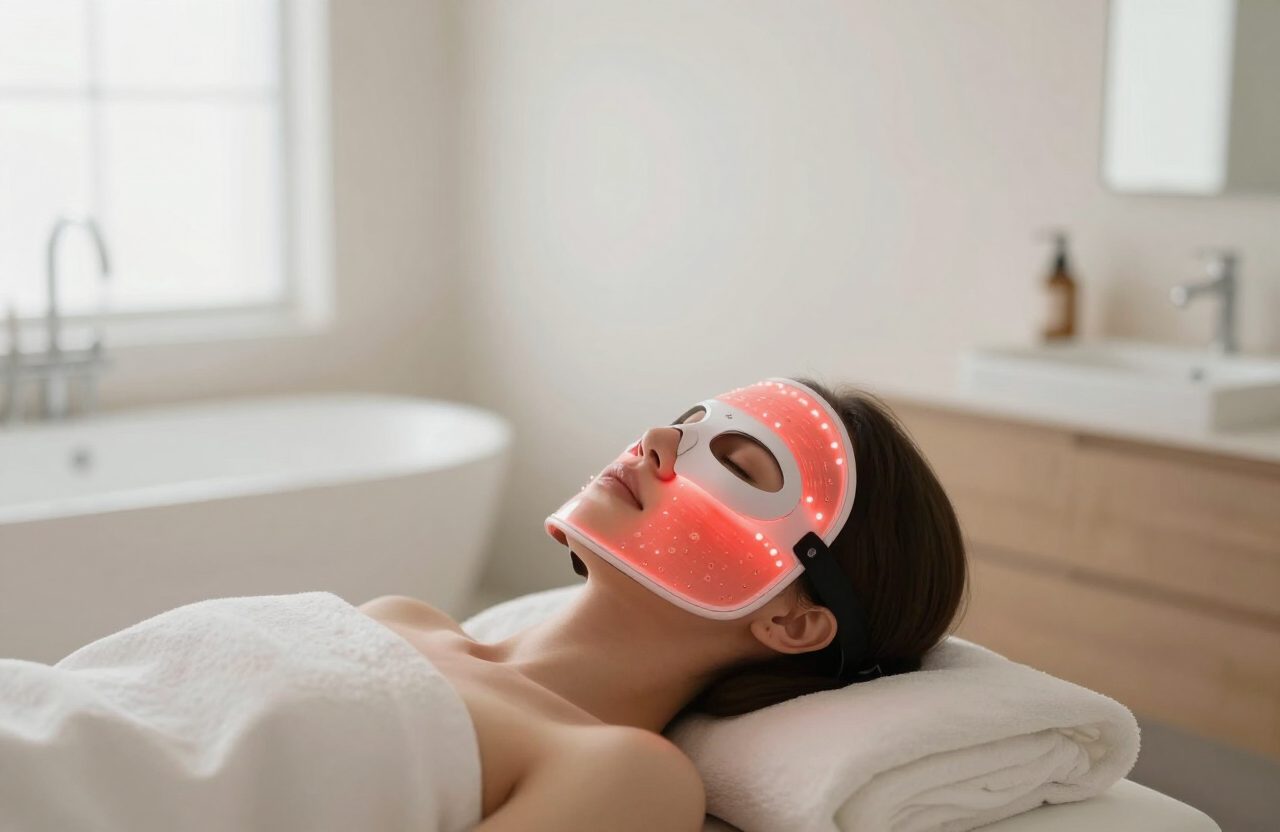
Wavelength matters more than most consumer marketing lets on. Visible red light in the 630–670nm range penetrates roughly one to two centimeters and is the range most directly linked to the skin and collagen benefits described above; near-infrared in the 800–850nm range goes deeper and is more associated with muscle and joint recovery than surface skin change. A device using the wrong wavelength, even if it's labeled "red light," won't reliably produce the same result, this is the single most common reason people report disappointing results from an at-home device.
Building a Realistic Weekly Ritual
For red light therapy specifically, the protocols with the strongest evidence use sessions of ten to twenty minutes, five to seven days a week initially, tapering to three to five days a week for maintenance once you've seen results. Most people notice visible changes in texture and tone within four to six weeks, but the deeper structural change, the actual increase in collagen density, tends to become measurable closer to the twelve-week mark, so judging a device after two weeks of use is judging it before the mechanism has had time to work.
If you're adding collagen peptides, daily consistency matters more than dose size within a reasonable range; the studies showing benefit used daily intake sustained over two to three months, not occasional use. Bone broth can sit alongside either of these as a genuinely good protein source without needing to carry the specific "more collagen for your face" claim on its own.
The First Priority: Sunscreen and Retinoids
It's worth saying plainly: daily broad-spectrum sunscreen and, for most skin types, a retinoid remain the two interventions with the largest and most consistent body of evidence for preventing collagen loss and visible aging, more than bone broth, more than peptides, and arguably more than red light therapy on its own. None of the rituals in this guide are meant to replace those fundamentals; they're additions layered on top of a foundation that's already doing the heaviest lifting. A red-light routine paired with inconsistent sun protection is working against itself.
Buying a Red-Light Device Without Wasting Money
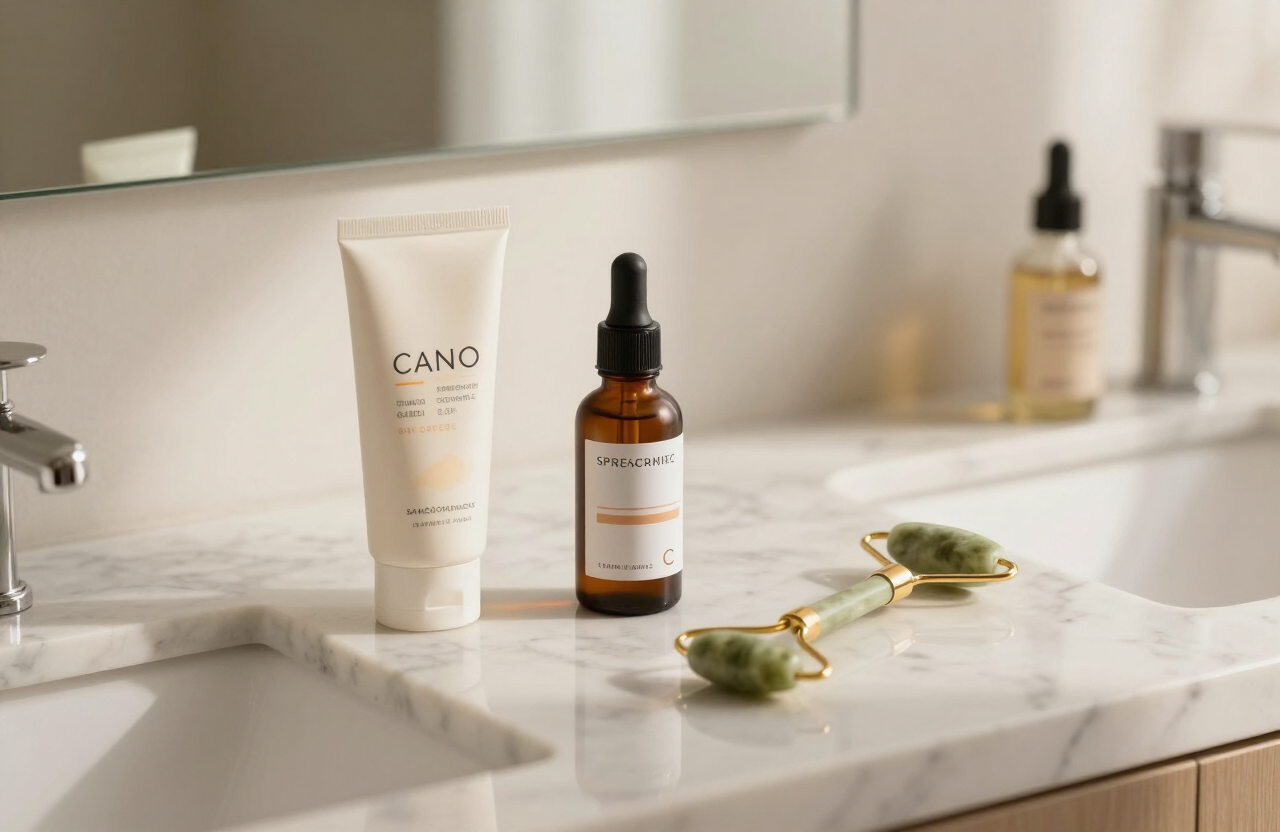
The consumer market has expanded quickly, and device quality varies far more than the marketing suggests. Look specifically for a stated wavelength in the 630–670nm range for facial and collagen use, independent third-party testing or clinical data from the manufacturer rather than only in-house claims, and clear irradiance specifications rather than vague language like "clinical strength." A device that doesn't disclose its wavelength at all is the clearest red flag, since that's the single variable the evidence above is most specific about.
Other Rituals in the Category, Briefly Rated
A few other practices get grouped into the same "anti-aging ritual" conversation and are worth a quick, honest sort. Vitamin C serum has solid supporting evidence: it's a genuine cofactor your body needs to synthesize collagen in the first place, and topical formulations have been shown to improve skin texture and offer some antioxidant protection against UV-driven collagen breakdown, a reasonable daily addition, not a fad. Microneedling has real clinical evidence for stimulating collagen production through controlled micro-injury, but it's a more intense intervention best done by a trained professional rather than an at-home ritual, since improper technique carries genuine risk of scarring or infection. Collagen-infused skincare — creams and serums with collagen as an ingredient, has the weakest evidence of the group; collagen molecules are generally too large to penetrate the skin barrier from a topical product, which makes this closer to a marketing claim riding on a real ingredient's reputation than a mechanism with trial support behind it.
Sleep belongs in this conversation more than most anti-aging content gives it credit for. Collagen synthesis and tissue repair happen disproportionately during deep sleep stages, and chronically shortened or fragmented sleep has been linked to measurably faster visible skin aging independent of sun exposure. It's not a glamorous ritual, and it doesn't sell a device or a bottle, but consistent sleep is arguably doing more structural work for your skin's collagen than most items on this list, worth ranking as a foundation alongside sunscreen rather than as an afterthought.
Frequently Asked Questions
Does bone broth actually increase collagen in your skin?
Not directly. Collagen from broth is broken down into amino acids during digestion like any other protein, so your body may or may not use that material for skin specifically. Bone broth is still a good protein source, just not a targeted skin treatment on its own.
How long does red light therapy take to show results?
Texture and tone improvements are often visible within four to six weeks of consistent use; the deeper collagen-density changes measured in clinical trials become detectable closer to twelve weeks.
What's the best wavelength for red light therapy for wrinkles?
Research most consistently supports the 630–670nm visible red range for skin and collagen benefits specifically, while near-infrared (800–850nm) is more associated with deeper muscle and joint recovery.
Are collagen supplements better than bone broth?
For skin-specific outcomes, hydrolyzed collagen peptide supplements have more direct randomized-trial evidence than bone broth, largely because they're pre-broken-down and have been studied specifically for skin elasticity and hydration.
Is red light therapy safe to use at home every day?
Most cleared consumer devices are considered safe for near-daily use following the manufacturer's session-length guidance, though eye protection is recommended and anyone with a photosensitivity condition should check with a dermatologist first.
Does collagen cream actually work if you put it on your skin?
The evidence is weak. Collagen molecules are generally too large to penetrate the skin barrier from a topical cream, which makes the direct claim less credible than ingestible collagen peptides or interventions like red light therapy that work through a different, better-supported mechanism.
Conclusion
The honest version of the collagen story is less dramatic than the marketing but more useful: bone broth is a good protein source without a direct skin-delivery mechanism, collagen peptide supplements have modest but real supporting evidence, and red-light therapy is genuinely one of the better-evidenced tools in the category, provided you're using the right wavelength consistently enough for the biology to actually work. None of it replaces sunscreen. All of it works better layered on top of the fundamentals rather than instead of them.
For more on evidence-based beauty rituals worth your time, keep exploring the Glow Pillar at healzenglow.com/glow.
References:
- [1] Nature (2026). Feature confirming the biological mechanism underlying red light therapy's effects on collagen-producing fibroblasts.
- [2] Wunsch, A., & Matuschka, K. (2014). A controlled trial to determine the efficacy of red and near-infrared light treatment in patient satisfaction, reduction of fine lines, wrinkles, skin roughness, and increase in intradermal collagen. Photomedicine and Laser Surgery.
- [3] Clinical research on hydrolyzed collagen peptide supplementation and measured improvements in skin elasticity and hydration over 8–12 week periods.