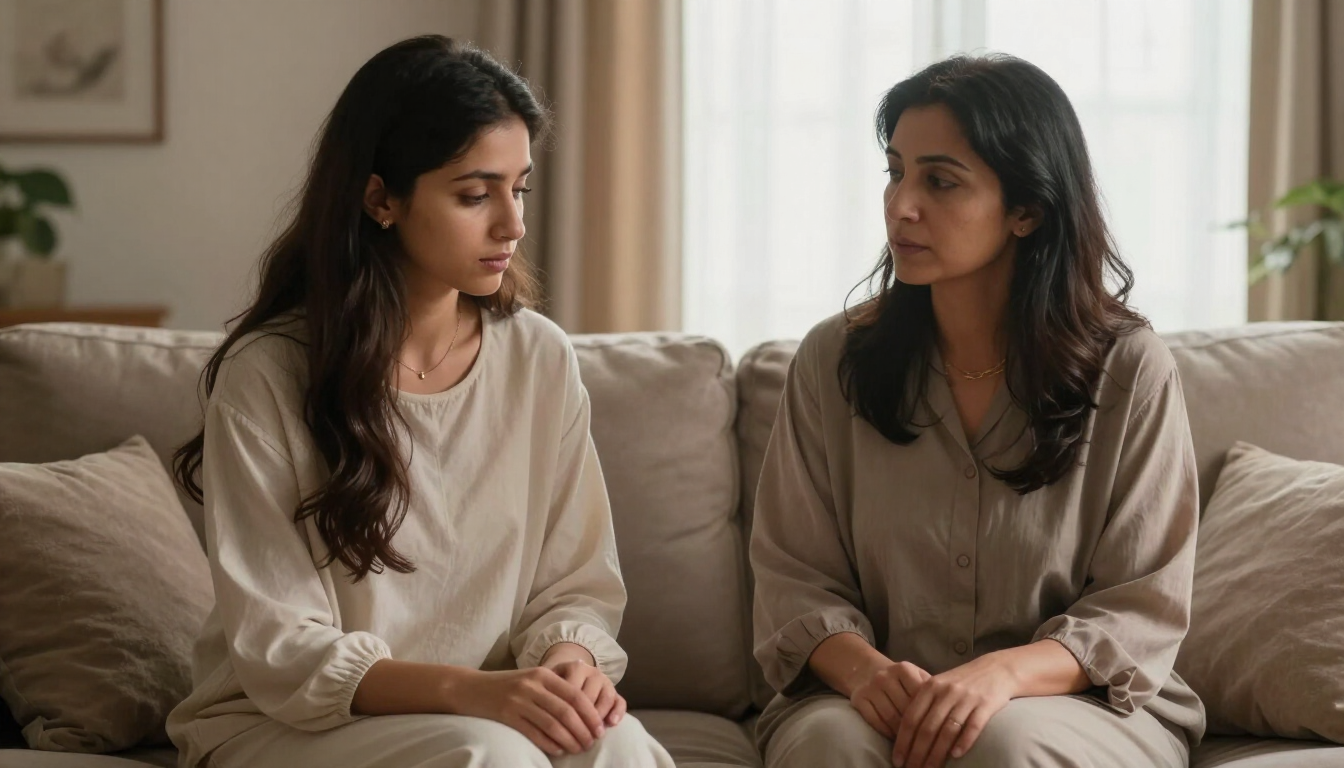
Healing the Mother Wound: A Complete Guide
The mother wound isn't about blaming your mother. It's about understanding the relationship you needed and never got, so you can finally give it to yourself. A complete guide to recognizing and healing the feminine wound.
You cannot grieve a relationship you are still, quietly, trying to earn.
The mother wound isn't about blaming your mother. It's about understanding the relationship you needed and never got, so you can finally learn to give it to yourself, starting today.
There is a particular kind of pain that carries no clear name in most conversations, the one you feel watching a friend call her mother just to chat, or the tightness in your chest at a certain television ad around some holiday, or the way you tense a little every time your mother's name lights up your phone screen. This isn't about exaggeration, and it isn't about ingratitude. It is the feminine wound, and if any of this is familiar to you, you are far from alone in carrying it.
The mother wound is not a medical diagnosis, and not just a passing outcry, even though 2026 has finally given women the language and the permission to speak about it openly. It is the accumulated pain of not receiving, from the first woman who was supposed to model womanhood for you, the emotional attunement, or safety, or unconditional acceptance that every child needs. And it deserves a real, unhurried conversation, not just a passing comment on social media.
Why the Mother Wound Cuts Deeper Than Other Wounds
Your relationship with your mother is often the first mirror you were handed, the original source you turned to for answers to unspoken questions like: am I allowed to take up space, is my body acceptable, can my needs be met without punishment, is it safe to be fully myself. And because this bond is that foundational, the wounds that form here don't only shape how you feel toward your mother. They quietly shape how you feel toward your own womanhood, your worth, and your right to be cared for in the first place.
It's worth saying plainly too: the mother wound is rarely made by a cruel person. Most mothers who leave this wound were themselves wounded, often by their own mothers, often because of circumstances: poverty, illness, grief, or simply having children before they had been able to heal themselves. Understanding this doesn't erase your pain, and it isn't a demand that you justify it. It only widens the picture from "there is something wrong with me" to "something happened here that predates me".
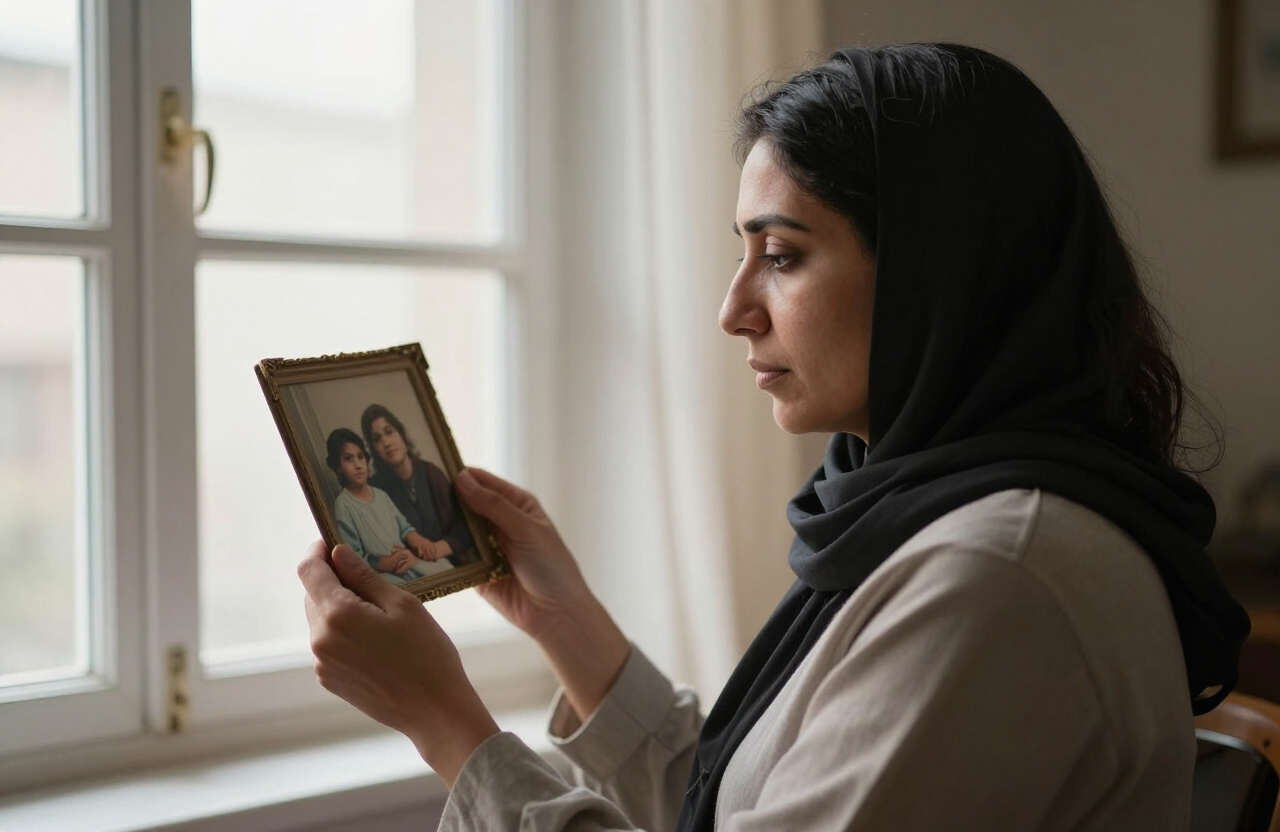
Signs You're Carrying the Mother Wound
- A pattern of perfectionism, an exhausting sense that love and acceptance must be earned through achievement rather than simply given.
- Genuine discomfort receiving care, compliments, or help, accompanied by an immediate urge to refuse it or repay it at once.
- Relationships with other women that feel oddly competitive, or guarded, or hard to trust, even without knowing exactly why.
- A tendency to over-function as the caretaker within your family, including, confusingly, caring for your mother herself.
- A quiet, persistent fear of becoming like her, paired with behaviors that conspicuously resemble hers nonetheless.
- Chronic self-abandonment: putting everyone's comfort before your own so automatically that you don't even register it as a choice.
Where This Wound Actually Comes From
The mother wound shows up through several recognized patterns, and most women recognize a mix of them rather than a single one.
The emotionally unavailable mother was physically present but rarely emotionally attuned, distracted, or depressed, or exhausted, or simply never learned how to be present with a child's inner world. The enmeshed mother blurred the line between herself and her daughter, relying on her for the emotional support, companionship, or validation that was supposed to flow in the opposite direction. The critical or comparing mother used criticism, sometimes disguised as concern or humor, as her primary language, leaving her daughter an internal critic that runs constantly and is never quite satisfied. The absent mother, physically or emotionally, whether through death, illness, addiction, or simply leaving, created an abandonment wound often buried under a story of "it wasn't that bad." And beneath nearly all of these patterns lies intergenerational trauma, a wound passed from grandmother to mother to daughter, each generation doing a little better than the one before with the tools available to it, but still passing down something not yet healed.
Three Ways the Mother Wound Shows Up in Your Adult Life
In Friendships
Many women who carry an unhealed mother wound either merge too quickly with their friends, seeking the closeness they never had, or keep other women at a complete distance, bracing unconsciously for the criticism or abandonment that once came from the person who was supposed to be the safest. Both patterns are the same wound wearing a different dress.
In Romantic Relationships
The mother wound often shows up as a deep, sometimes unconscious, search for a partner who can finally give you the emotional attunement your mother couldn't. This is an impossible task for any partner to pull off, and when they inevitably fail, it can reopen the original wound with a sudden sharpness, often triggering reactions that seem out of proportion to the actual moment.
In Your Relationship with Your Body and Your Womanhood
For many women, the mother wound also lives in the body itself, in the discomfort with its softness, or its menstrual cycle, or its aging, or its sexuality, especially if her mother embodied shame or silence around these same matters. Healing the mother wound often means choosing a conscious and different relationship with your body than the one you inherited.
A Note on Cultural and Family Expectations
For many women, the mother wound does not exist in a vacuum, but inside a much wider cultural script about what a daughter owes her mother, and how a "good daughter" is supposed to look and feel. In families and cultures where the daughter's role is tightly bound to caregiving, obedience, or family honor, naming a wound in the relationship with the mother can feel not only personal but almost like a betrayal, as though acknowledging the pain is a betrayal of the entire family system, not just of one relationship within it.
This adds a layer that most conversations about the mother wound ignore entirely. You may find yourself defending your mother reflexively in front of a therapist or a friend, and minimizing your real pain because "she sacrificed a lot for me" or "that's just how mothers are here," even while your body carries clear marks of the wound beneath that loyalty. Both things can be true at once: perhaps your mother sacrificed a great deal, and, separately, she also left a gap in emotional attunement that shaped you. Healing doesn't require choosing one truth over the other, or comparing your pain to her suffering. It only requires enough honesty to let the two truths coexist in the same sentence, often the hardest and most liberating sentence any daughter learns to say out loud.

The Reparenting Practice: Giving Yourself What She Couldn't
Reparenting is the practice of becoming, consciously and consistently, the attuned adult your younger self needed. It doesn't require a confrontation, an apology, or even ongoing contact with your mother, which makes it available to every woman regardless of her current family circumstances.
Practically, this might look like speaking to yourself with a warmer inner voice when you make a mistake, instead of the critical voice you may have inherited. It might look like allowing yourself to rest without earning it first. It might look like placing your hand on your heart in a hard moment, and silently offering yourself the words you needed to hear as a child: I see you, this is hard, you're allowed to need help. Practiced consistently, this isn't just a tender phrase; it's a real nervous-system practice that gradually teaches your body that safety and comfort no longer depend on someone else providing them.

Try This: A Written Reparenting Exercise
Set a timer for five minutes and write a short letter from the grounded, composed adult woman you are today, to yourself at the age when the wound felt most acute, maybe seven, maybe fourteen. Tell her what you know now that she didn't know then: that the coldness wasn't her fault, that her needs were reasonable, and that she was, and still is, deserving of emotional attunement. You don't need to send it anywhere or show it to anyone. The nervous system doesn't always distinguish between an experience that actually happened and one you imagine with clarity and intention, and that is exactly why this simple practice often leaves a much heavier imprint than it appears to on paper.
Common Mistakes When Healing the Mother Wound
- Waiting for an apology before allowing yourself to heal. Some mothers will never fully see or acknowledge the wound, and waiting for that recognition can keep you stuck indefinitely.
- Believing the only right way forward is to cut contact entirely. For some women, this is the right and necessary choice, but for many others, healing happens alongside an ongoing, imperfect relationship, with clearer boundaries rather than no boundaries at all.
- Over-identifying as a permanent victim of this wound, which can quietly turn into a limiting story in itself rather than a phase of healing.
- Trying to become her exact opposite in everything, which ultimately means you are still organizing your entire identity around her, rather than around your own authentic preferences.
- Skipping the grief stage. Healing requires actually feeling the grief for what didn't happen, not only understanding intellectually why it didn't.
Frequently Asked Questions
Is it normal to have a complicated relationship with my mother even if she wasn't "abusive"?
Yes. The mother wound doesn't require abuse to form. Emotional absence, subtle criticism, or simply a mismatch between what you needed and what she was able to give can all create a real and valid wound that deserves healing.
Do I have to confront my mother to heal from this?
No. While some women find direct confrontation helpful, healing the mother wound is primarily an internal process. It can happen entirely through your own reflection, therapy, and reparenting practices, whether your mother is part of that dialogue or not.
What if my mother has passed away or we are completely estranged?
The wound can still heal completely. Reparenting and inner-child work don't require your mother's participation, presence, or even her being alive. The relationship you ultimately heal is the one between you and your inner child.
Will healing the mother wound change my relationship with my own children?
Often, yes. Many women describe becoming aware of this wound as a turning point that helped them respond to their children differently than they themselves were received, breaking the inherited pattern rather than passing it on unexamined.
How long does this kind of healing take?
There is no fixed timeline, and it is rarely linear. Some layers soften within months of consistent reparenting practice, while others resurface at new life stages, such as becoming a mother yourself, and need to be revisited with fresh compassion.
What is the difference between the mother wound and just normal tension between a mother and daughter?
Every relationship, even a healthy one, involves some friction. The mother wound specifically describes a persistent pattern where a core need for emotional attunement, safety, or acceptance went unmet closely and repeatedly enough to shape your adult sense of self-worth, not just the ordinary disagreements that come with any close relationship.
You're Allowed to Give Yourself What You Never Got
Healing the feminine wound isn't about rewriting your history or pretending it didn't shape you. It's about recognizing that the little girl who needed a certain kind of mothering is still able to receive it, just from a different source, and one just as valid: the woman you have become. If this resonates with something inside you, you may also want to read our article on attachment styles, as the mother-daughter bond is often where your attachment blueprint was first written.
For deeper resources on inner-child work, nervous-system regulation, and reparenting practices that help you finally close this chapter instead of resenting it. The mothering you needed was not lost. You are the only one who now holds the power to give it to yourself.
Discover more on our Heal pillar at healzenglow.com/heal.
References
This article drew on the following foundational and peer-reviewed works on family systems, intergenerational relational patterns, and inner-child healing:
- Minuchin, S. (1974). Families and Family Therapy. Harvard University Press.
- Fraiberg, S., Adelson, E., & Shapiro, V. (1975). Ghosts in the Nursery: A Psychoanalytic Approach to the Problems of Impaired Infant-Mother Relationships. Journal of the American Academy of Child Psychiatry, 14(3), 387-421.
- Bradshaw, J. (1990). Homecoming: Reclaiming and Championing Your Inner Child. Bantam Books.
- Webster, B. (2021). Discovering the Inner Mother: A Guide to Healing the Mother Wound and Claiming Your Personal Power. HarperOne.