Post-Sun Recovery: Repair Skin After Sun Exposure
Sunscreen is prevention. Once the day is over and your shoulders are already warm and pink, prevention is no longer the job. Here is what to do in the 48 hours after too much sun, hour by hour.
Sunscreen is prevention. Once the day is over and your shoulders are already warm and pink, prevention is no longer the job. Most advice stops at "reapply every two hours" and leaves you stranded the moment you realize you've caught too much sun, as if there were nothing to do between the burn and the peel. There is. The first 48 hours after overexposure are when skin is most responsive to repair, and what you do in that window changes how much inflammation settles, how much collagen you lose, and how much pigment you're left with weeks later. This guide walks through what actually happens to skin after UV exposure, a 48-hour recovery protocol broken down hour by hour, the ingredients and foods that genuinely help, and the signs that mean it's time to see a doctor rather than tough it out at home.
In this guide:
- What actually happens to skin after UV exposure
- The 48-hour recovery protocol, hour by hour
- Aloe vera vs. centella for sunburn
- Hyaluronic acid and barrier repair after sun
- Antioxidants after sun exposure
- Foods that help sun-damaged skin
- How to treat sunburn peeling
- Does sunburn cause collagen damage
- Delayed sun damage signs to watch for
- When to see a doctor for sunburn
- A prevention reminder
What Actually Happens to Skin After UV Exposure
When ultraviolet light hits your skin, two wavelengths do different damage. UVB burns the surface, causing the redness, pain, and blistering we call sunburn, and it peaks within hours of exposure. UVA penetrates deeper, reaching the dermis where collagen and elastin live, and its damage — sagging, lines, and uneven pigment — often shows up months or years later rather than tonight. A single long day outside delivers both, which is why post-sun recovery has two jobs: calm the immediate burn and support the deeper tissue before the slower damage sets in.
Within minutes of overexposure, skin cells begin a cascade of inflammation. Blood vessels dilate, which is why warmth and redness appear (often delayed by four to six hours, so the worst of the burn can show up after you're already home). Damaged cells release inflammatory signals, moisture evaporates faster through a compromised barrier, and the body ramps up melanin production as a desperate shield. Over the next 24 to 72 hours, the most badly damaged surface cells die and begin to peel, while deeper cells quietly accumulate the kind of oxidative stress that degrades collagen over time. Knowing this timeline is what makes the 48-hour protocol work — each step targets a specific phase of that cascade.

The 48-Hour Recovery Protocol, Hour by Hour
This protocol is built around the physiology above: cool the heat, replace the moisture, calm the inflammation, and protect the barrier while it rebuilds. You can start it the moment you realize you've overdone it, even before the redness fully develops.
- 1Hours 0–2: cool the skin. Get out of the sun and apply cool (not ice-cold) compresses to warm areas for 10–15 minutes at a time. A clean cloth soaked in cool water, or a gentle cool shower, draws heat out of the tissue and slows the inflammatory cascade. Never apply ice directly — extreme cold causes vasoconstriction that traps heat deeper and can damage already-stressed skin.
- 2Hours 2–6: hydrate from the inside. Drink water steadily, and add an electrolyte source if you've been sweating heavily. Sunburn draws fluid to the skin's surface and away from the rest of the body, so systemic dehydration often follows a bad burn. Hydration now also supports the skin barrier as it tries to hold onto moisture.
- 3Hours 2–12: apply a soothing, water-based gel. Pure aloe vera gel or a centella asiatica (cica) gel, kept in the fridge for extra cooling, calms heat and supports the barrier. Apply in thin layers and reapply whenever the skin feels tight or warm. Avoid heavy occlusive creams at this stage — they can trap heat and worsen the burn.
- 4Hours 6–24: keep cooling and start barrier support. Continue cool compresses as needed and switch to a lightweight, fragrance-free moisturizer with ceramides or hyaluronic acid once the heat has subsided. Fragrance, essential oils, and acids (including retinol and exfoliating acids) must be avoided entirely until the skin has healed — they inflame raw skin and prolong recovery.
- 5Hours 24–48: layer hydration and antioxidants. Now the barrier is rebuilding, so layer a hyaluronic acid serum onto damp skin, seal it with a ceramide moisturizer, and add a gentle antioxidant (a low-strength vitamin C or niacinamide) to help neutralize the oxidative stress that drives delayed damage. Keep everything fragrance-free and minimal.
- 6Hours 24–48: protect the area from any further UV. Stay out of direct sun, cover the area with loose, breathable clothing, and if exposure is unavoidable, apply a mineral sunscreen (zinc oxide) to unbroken skin. Chemical filters can sting compromised skin, so mineral is the safer choice until the barrier has fully recovered.
- 7Throughout: do not peel, pick, or exfoliate. Peeling is the skin shedding dead cells on its own schedule; forcing it off pulls away healthy tissue underneath, delays healing, and raises the risk of scarring and hyperpigmentation. Let it come off in the shower on its own.
Aloe Vera vs. Centella for Sunburn
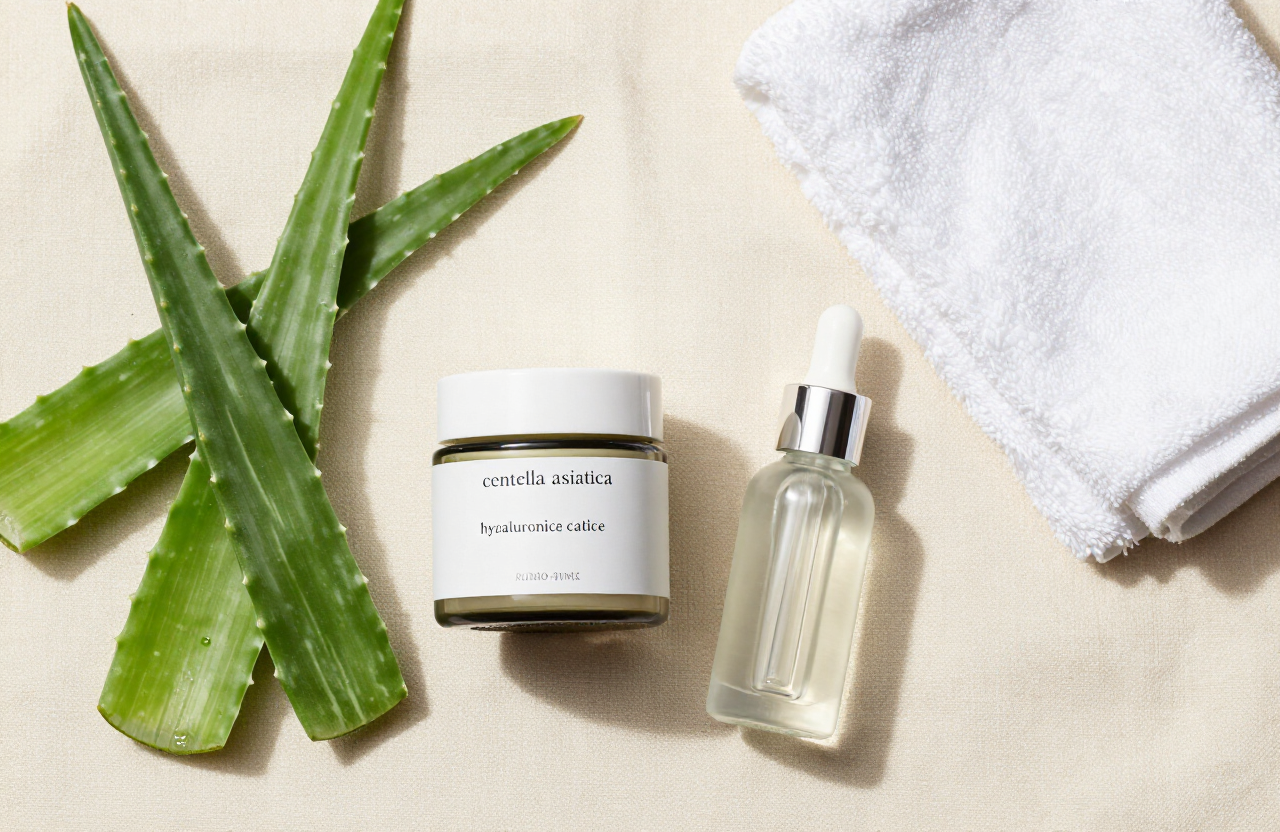
Both are legitimate post-sun soothers, and they work in complementary ways, so you don't have to choose. Aloe vera gel is mostly water with polysaccharides that form a light, cooling film over the skin; it draws out heat, rehydrates the surface, and has modest anti-inflammatory activity. It's ideal in the first hours, when the skin is hot and tight. Look for high-percentage aloe with no alcohol or added fragrance, which would sting and dry the skin.
Centella asiatica (cica) works a little deeper. Its active compounds, the madecassosides, have been shown in research to calm inflammation and support collagen synthesis, which matters because UV exposure degrades collagen in the dermis. Cica is especially useful in the second day of recovery, once the acute heat has passed and the focus shifts to barrier repair and preventing the delayed damage that shows up later. A simple, effective approach: aloe in the first 12 hours, then a centella-based cream or gel for the next day or two.
Hyaluronic Acid and Barrier Repair After Sun
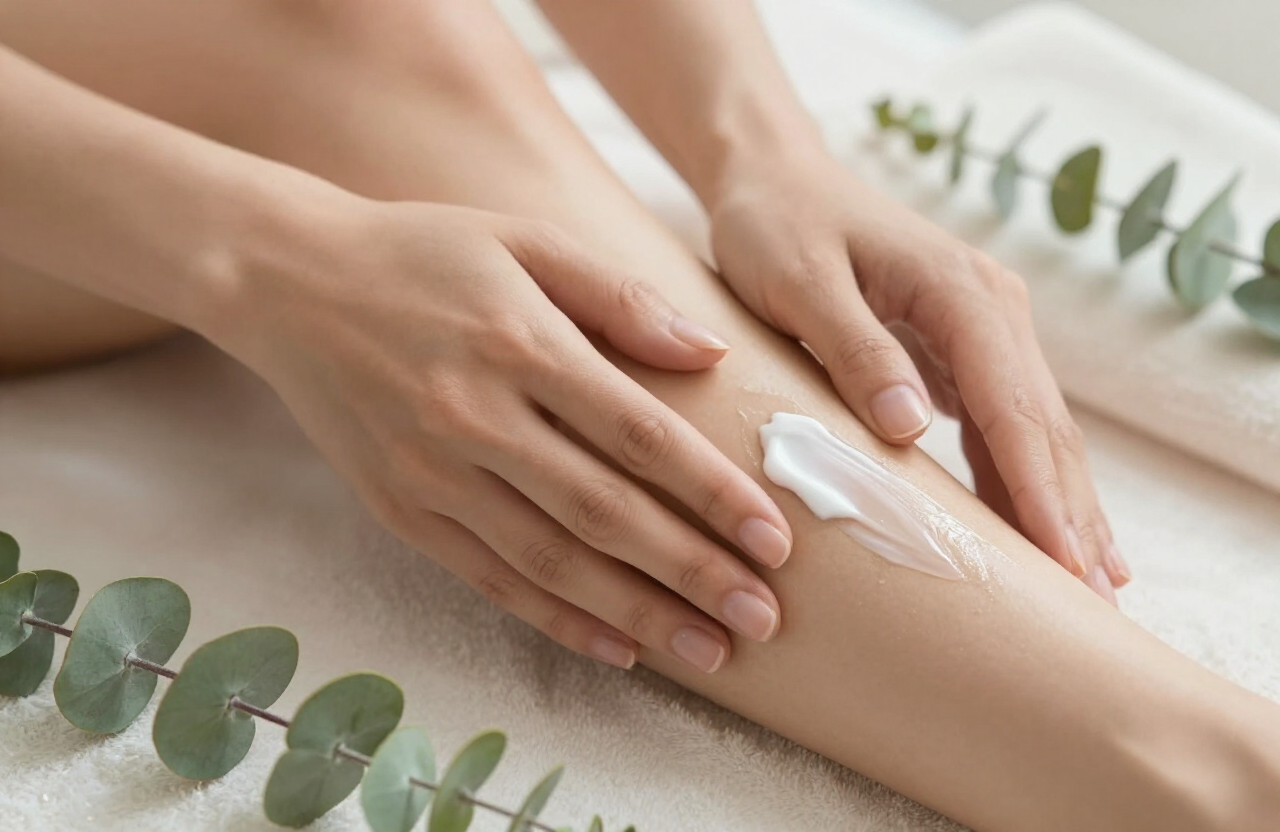
Sunburn compromises the skin barrier, and a compromised barrier loses moisture faster than it can replace it, which is why sunburned skin feels tight, then dry, then flaky. Hyaluronic acid is a humectant that holds many times its weight in water, and applying a hyaluronic acid serum to damp skin in the 24–48 hour window helps the barrier rehydrate as it rebuilds. The key is the order: apply it to slightly damp skin, then immediately seal it with a moisturizer (one with ceramides is ideal), otherwise it can draw moisture out of the skin in dry environments.
Antioxidants After Sun Exposure
UV exposure creates reactive oxygen species — unstable molecules that damage cells and degrade collagen, and the source of much of the "delayed" sun damage that appears months later. Antioxidants neutralize these molecules, which is why applying them after sun matters as much as before. In the 24–48 hour window, a gentle, low-strength vitamin C serum or a niacinamide product can help quench the oxidative stress that's still smoldering in the skin. Keep the strength low and the formula simple; raw, recovering skin tolerates actives poorly, so more is not better here.
Antioxidants work even better when they come from food as well as skincare, because the body distributes dietary antioxidants to the skin from the inside. This is where the nutrition section below comes in — the two approaches stack.
Foods That Help Sun-Damaged Skin
What you eat in the days after overexposure gives your skin the raw materials it needs to repair. The most useful foods are those rich in antioxidants, omega-3 fats, and the vitamins that skin uses to rebuild barrier lipids and calm inflammation. None of these replace sunscreen or topical care, but they meaningfully support recovery.

- Tomatoes and watermelon: rich in lycopene, an antioxidant that accumulates in the skin and has been shown to reduce UV-induced redness; cooked tomatoes make lycopene more absorbable.
- Berries and pomegranate: packed with vitamin C and polyphenols that support collagen synthesis and calm oxidative stress.
- Green tea: its catechins, especially EGCG, have well-studied anti-inflammatory and photoprotective effects; a cup or two a day in the recovery window helps.
- Fatty fish and walnuts: omega-3 fatty acids (EPA and DHA) reduce inflammation and support the lipid barrier that sunburn disrupts.
- Leafy greens and orange vegetables: beta-carotene and lutein add another layer of antioxidant support for skin under stress.
- Water-rich foods like cucumber and melon: help with the systemic hydration a sunburn demands, alongside plain water.
How to Treat Sunburn Peeling
Peeling usually begins two to three days after the burn and is the skin shedding dead surface cells. The single most important rule is: do not pick, peel, or exfoliate it. Pulling off flaking skin removes cells that aren't ready to come off yet, exposing raw tissue, delaying healing, and increasing the risk of hyperpigmentation and scarring. Let it shed naturally in the shower, where warm water softens the loose edges.
To support the process, keep the area deeply moisturized with a fragrance-free ceramide cream, apply cool compresses if it itches (itching is common as nerves recover), and resist the urge to scrub. If the peeling is extensive or painful, a thin layer of plain petroleum jelly over moisturizer can lock in moisture overnight. Avoid all physical and chemical exfoliation until the skin is fully healed and no longer pink — usually a week or more.
Does Sunburn Cause Collagen Damage
Yes, and this is the part most people underestimate because it doesn't show up right away. UVA radiation reaches the dermis, where it triggers the enzymes (matrix metalloproteinases) that break down collagen and elastin. A single severe sunburn doesn't instantly wrinkle your skin, but repeated overexposure accumulates this degradation, which is why sun damage is the single biggest driver of premature skin aging — more than any other environmental factor. This is exactly why the antioxidant and centella steps in the 48-hour protocol matter: they target the oxidative stress that activates those collagen-breaking enzymes, limiting the deeper damage even when the surface burn looks minor.
Delayed Sun Damage Signs to Watch For
Some effects of overexposure appear long after the redness fades. Knowing them helps you respond early rather than months later.
- New freckles or dark patches (hyperpigmentation) appearing weeks after the exposure, as melanin clusters from the earlier UV trigger.
- Fine lines and a crepey texture developing in sun-exposed areas over months, reflecting collagen degradation in the dermis.
- Broken capillaries or persistent redness on the nose and cheeks from repeated vessel dilation.
- Rough, slightly scaly patches (actinic keratoses) that don't resolve — these should be checked by a dermatologist, as some can be precancerous.
- A mole that changes in size, shape, color, or border, or a new spot that doesn't heal — the classic signs that warrant a prompt skin check.
When to See a Doctor for Sunburn
Most sunburns can be managed at home with the protocol above, but some signs mean you need medical care rather than more aloe. Seek a doctor or urgent care if you notice any of the following.
- Large blisters over a significant area, or blisters on the face, hands, or genitals.
- Fever, chills, nausea, or headache — signs of sun poisoning or systemic illness, not just a surface burn.
- Confusion, dizziness, or a rapid pulse, which can indicate heat exhaustion or dehydration.
- A burn that covers a large percentage of your body, or that is intensely painful and swollen.
- Signs of infection: increasing pain, pus, warmth spreading, or red streaks around the burn.
- A burn that hasn't begun to improve after several days, or a mole or spot that looks suspicious afterward.
A Prevention Reminder
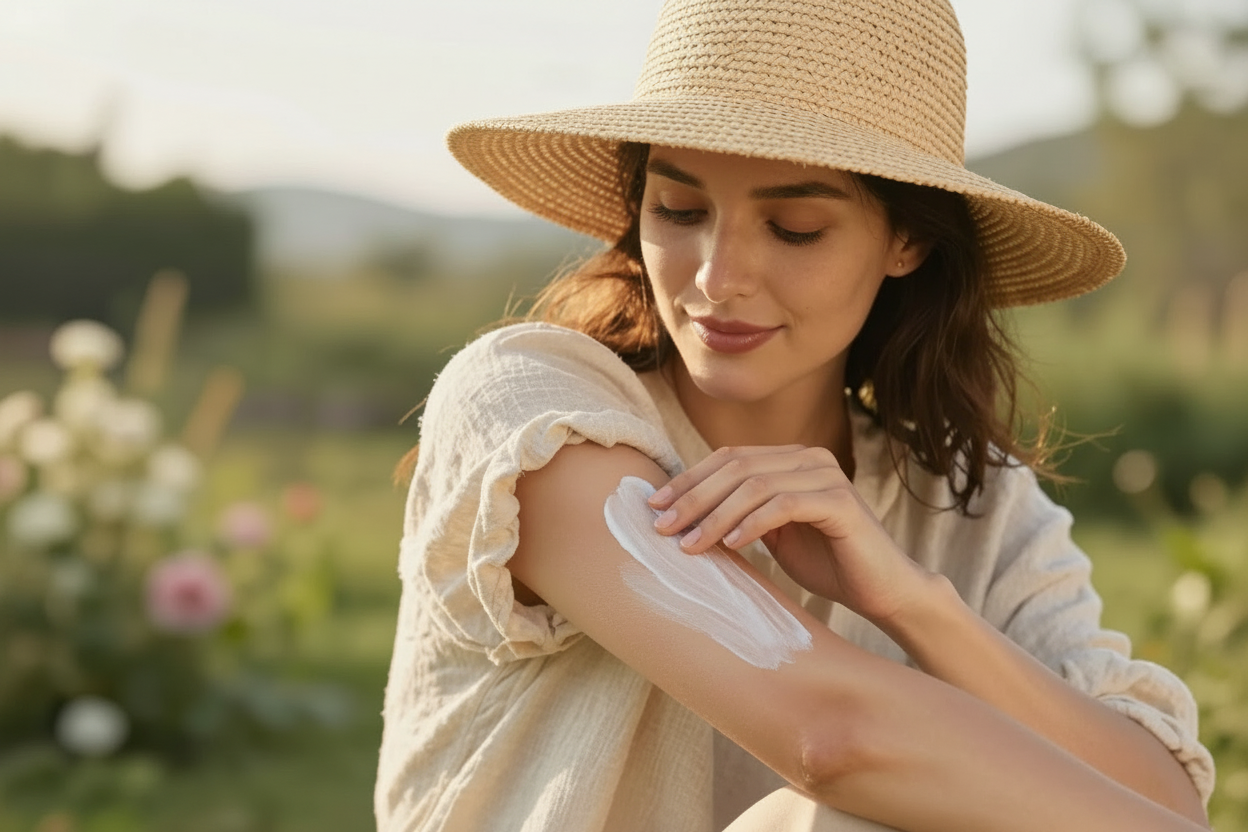
Post-sun recovery is the backup plan, not the first line. The most effective thing you can do for your skin is still to prevent the damage in the first place: a broad-spectrum SPF 30 or higher applied generously before you go out, reapplied every two hours and after swimming or heavy sweating, paired with shade during peak hours, a wide-brimmed hat, and UV-protective clothing. No recovery protocol fully undoes a severe burn, and cumulative UV exposure is the single biggest driver of both premature aging and skin cancer. Treat the 48-hour protocol as damage control for the days prevention wasn't enough — then make prevention the habit so you need it less often.
Key Takeaways
- The first 48 hours after overexposure are when skin is most responsive to repair — cool, hydrate, calm, and protect the barrier in that order.
- Cool the heat first with cool compresses and a water-based aloe or centella gel; save heavy moisturizers and actives until the heat has subsided.
- Aloe soothes surface heat in the first hours; centella (cica) supports deeper repair and collagen the next day — use both, in sequence.
- Layer hyaluronic acid onto damp skin and seal it with a ceramide moisturizer to rebuild the compromised barrier.
- Antioxidants (vitamin C, niacinamide, green tea, lycopene-rich foods) help neutralize the oxidative stress that drives delayed collagen damage.
- Never pick or exfoliate peeling skin — let it shed naturally and keep the area deeply moisturized.
- See a doctor for large blisters, fever, dizziness, signs of infection, or any suspicious changing mole.
- Recovery is the backup plan; broad-spectrum SPF 30+, reapplied every two hours, with shade and protective clothing, remains the plan.
Frequently Asked Questions
What is the first thing I should do after too much sun?
Get out of the sun and cool the skin with cool (not ice-cold) compresses or a gentle cool shower for 10–15 minutes to draw heat out of the tissue, then start hydrating with water. The first two hours are about removing heat and replacing fluid; soothing gels and moisturizers come next once the warmth begins to subside.
Aloe vera or centella — which is better for sunburn?
They complement each other. Aloe vera gel cools surface heat and rehydrates in the first hours after a burn, while centella asiatica (cica) and its madecassosides calm inflammation and support collagen repair on the second day. A practical approach is aloe first, then a centella-based cream once the heat has passed.
Can I use hyaluronic acid on sunburned skin?
Yes, but timing matters. Wait until the acute heat and redness have subsided (usually the 24–48 hour window), then apply a hyaluronic acid serum to slightly damp skin and immediately seal it with a ceramide moisturizer. Applying it to dry skin without a moisturizer on top can draw moisture out rather than in.
Does sunburn cause collagen damage?
Yes. UVA rays reach the dermis and trigger enzymes that break down collagen and elastin. A single burn won't instantly wrinkle your skin, but repeated overexposure accumulates this degradation, making sun damage the biggest driver of premature aging. Antioxidants and centella in the recovery window help limit that deeper damage.
How should I treat sunburn peeling?
Don't pick, peel, or exfoliate — let the skin shed naturally in the shower. Keep the area deeply moisturized with a fragrance-free ceramide cream, use cool compresses if it itches, and avoid all physical and chemical exfoliation until the skin is fully healed and no longer pink.
What foods help sun-damaged skin recover?
Antioxidant- and omega-3-rich foods support repair from the inside: tomatoes and watermelon (lycopene), berries and pomegranate (vitamin C and polyphenols), green tea (catechins), fatty fish and walnuts (omega-3s), and water-rich foods like cucumber and melon for hydration. They stack with topical care, not replace it.
When should I see a doctor for a sunburn?
Seek medical care for large blisters (especially on the face, hands, or genitals), fever or chills, nausea, dizziness or a rapid pulse, a burn over a large area, signs of infection like pus or spreading redness, or any burn that isn't improving after several days. Also have a doctor check any new or changing mole.
Conclusion
Sunscreen is prevention, and prevention is the job before you go out. But once the day is over and your shoulders are already warm and pink, the job changes — and the first 48 hours are when you can still influence how much inflammation settles, how much collagen you lose, and how much pigment you carry forward. Cool the heat, replace the moisture, calm the inflammation with aloe then centella, rebuild the barrier with hyaluronic acid and ceramides, and feed the repair with antioxidant-rich foods. Don't pick the peel, don't reach for actives too soon, and see a doctor if the burn goes beyond what home care can handle. Do all of that and you turn a bad sun day into a recoverable one — then let prevention make the next one unnecessary.
For more skin rituals grounded in real science, continue exploring the Glow pillar at healzenglow.com/glow.
References:
- [1] D'Orazio, J., et al. (2013). UV radiation and the skin. International Journal of Molecular Sciences. A foundational review of how UVA and UVB damage skin, including the inflammatory cascade and oxidative stress that drive both immediate burns and delayed aging.
- [2] Byeon, D. H., et al. (centella asiatica literature). Studies on the anti-inflammatory and collagen-supporting effects of madecassosides from Centella asiatica in photodamaged skin.
- [3] Eberlein, B., et al. (aloe vera literature). Reviews of aloe vera's cooling, hydrating, and modest anti-inflammatory properties in superficial burns and sunburn care.
- [4] Rittié, L., Fisher, G. J. (2002). UV-light-induced signal cascades and skin aging. Ageing Research Reviews. A key review of how UV exposure activates collagen-degrading enzymes (matrix metalloproteinases) in the dermis, the mechanism behind delayed sun damage.