Build Your Signature Fragrance Wardrobe Guide
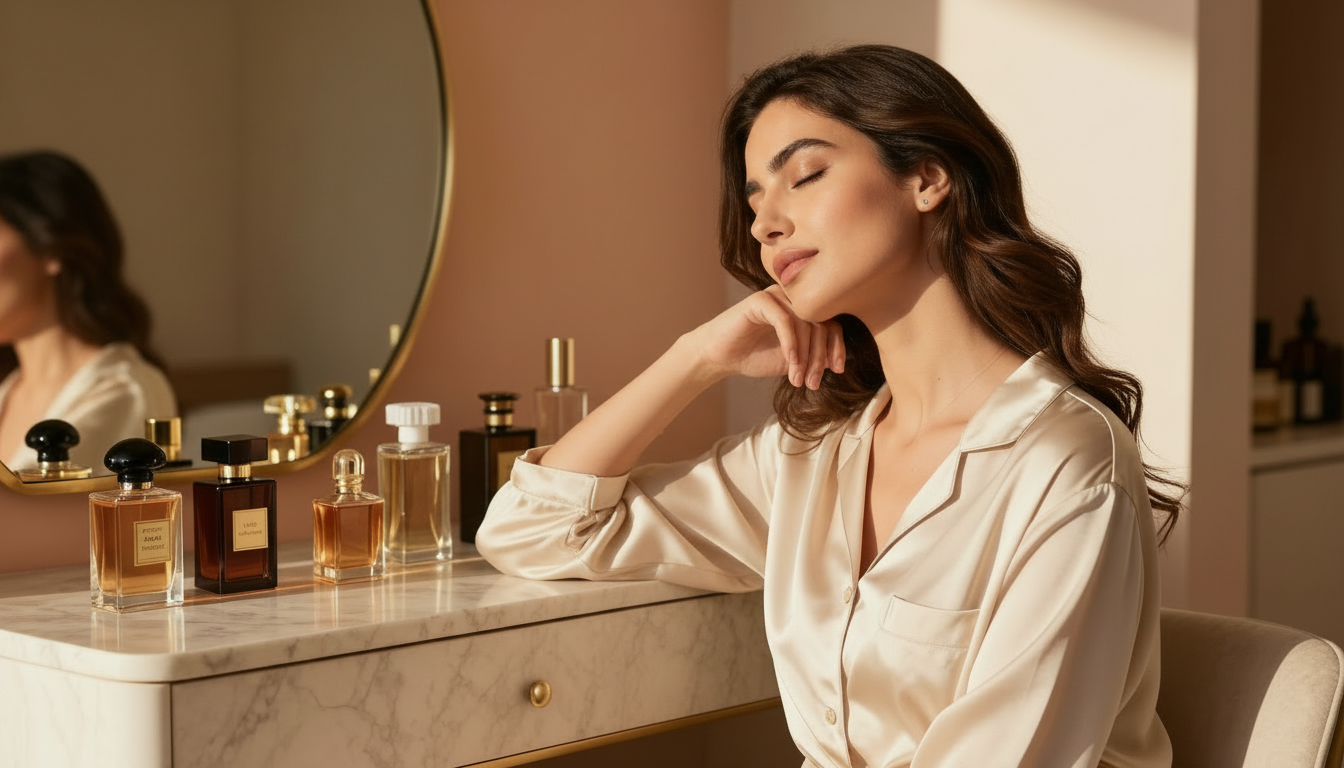
You can see an outfit and hear a voice, but scent works on a completely different circuit. It reaches the parts of your brain responsible for emotion and memory before you've consciously registered what you're smelling. That's not a metaphor; it's the actual neuroanatomy. It's exactly why one perfume, worn for years, can walk into a room a full beat before you do, and why a single unexpected whiff of it years later can bring someone back with a clarity photos rarely manage. This guide covers the real science behind that effect, and the fragrance trends most worth knowing,, and how to build a small, intentional fragrance wardrobe instead of a shelf of impulse buys that never quite felt like you.
Key Takeaways:
- Scent bypasses the brain's usual relay system and connects directly to the amygdala and hippocampus, which is why fragrance memories hit faster and more powerfully than visual ones.
- A well-built fragrance wears in three layers, top, heart, and base notes, and testing on skin rather than paper is the only reliable way to judge how the base will actually read.
- A genuinely useful fragrance wardrobe is three to five bottles built around situations and seasons, not a single scent worn identically every single day.
- The 2026 skin scent trend favors fragrances that sit close to your own warmth rather than announcing themselves across a room, part of a broader shift toward fragrance minimalism.
- The same bottle can smell noticeably different on two people because of skin chemistry, diet, and even medication, which is why sampling on your own skin beats buying on description alone.
In this guide:
- Why scent hits differently than every other sense
- The three notes that make a fragrance
- Choosing scent families that actually match your life
- Building a wardrobe instead of buying one bottle at a time
- Layering fragrance without overwhelming it
- Why the same perfume smells different on different people
- Fragrance Trends Worth Knowing
- Common fragrance wardrobe mistakes to avoid
Why Scent Hits Differently Than Every Other Sense
Sight, sound, and touch all route through the thalamus, a kind of relay station, before reaching the parts of the brain that process emotion and memory. Smell is the exception. Signals from the olfactory bulb connect directly to the amygdala and hippocampus, the brain's emotional processing and memory formation centers, without that intermediate stop. That direct wiring is why a scent can trigger a vivid, emotionally loaded memory faster and more involuntarily than a photograph of the same moment ever could, and researchers studying odor evoked memory have found these recollections tend to come with a stronger, more immediate emotional charge than memories triggered by other senses.
This is also why scent based memories skew disproportionately toward childhood. Some researchers point to how early the smell processing regions of the brain develop relative to other systems, which may give early scent associations an outsized, durable hold that later ones don't quite replicate. It's part of why a specific sunscreen or hand cream can instantly return you to a single summer in a way an old photo from that same summer rarely manages.
The Three Notes That Make a Fragrance
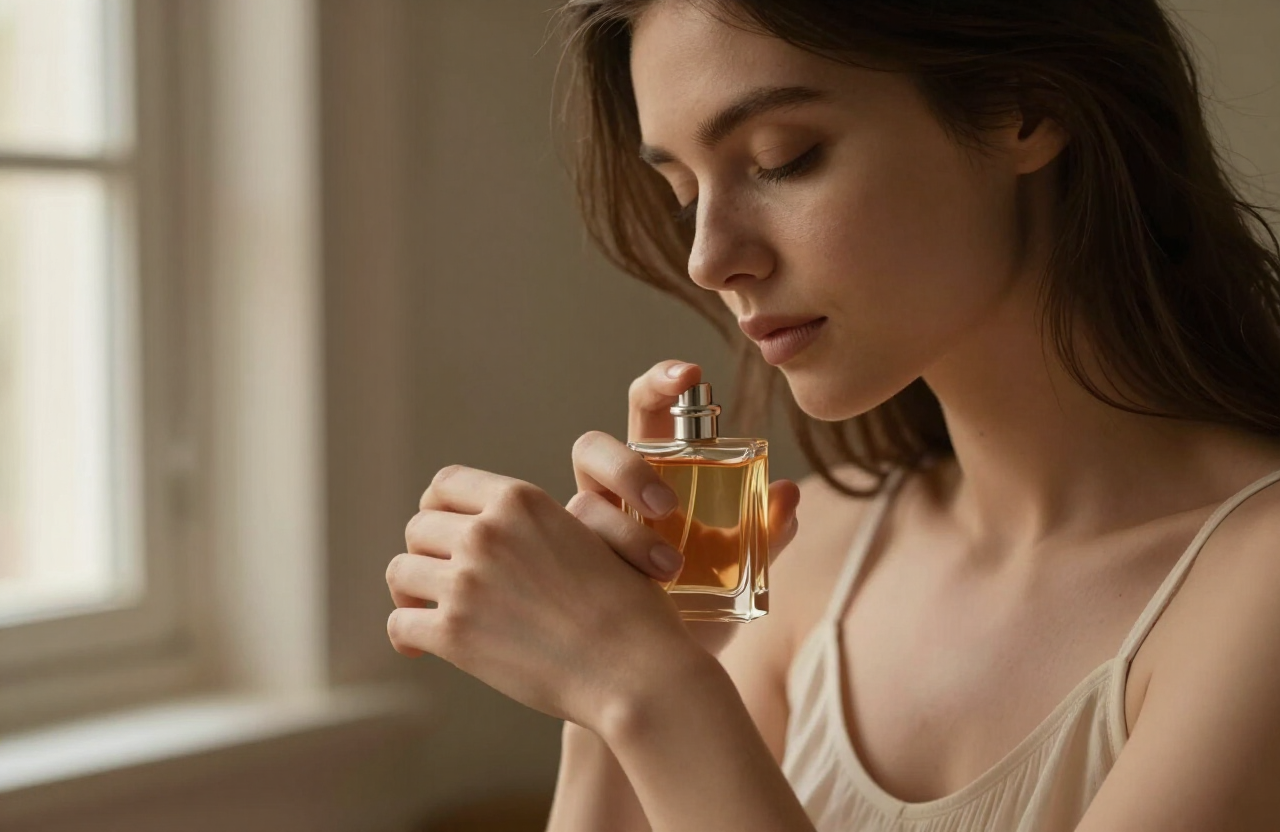
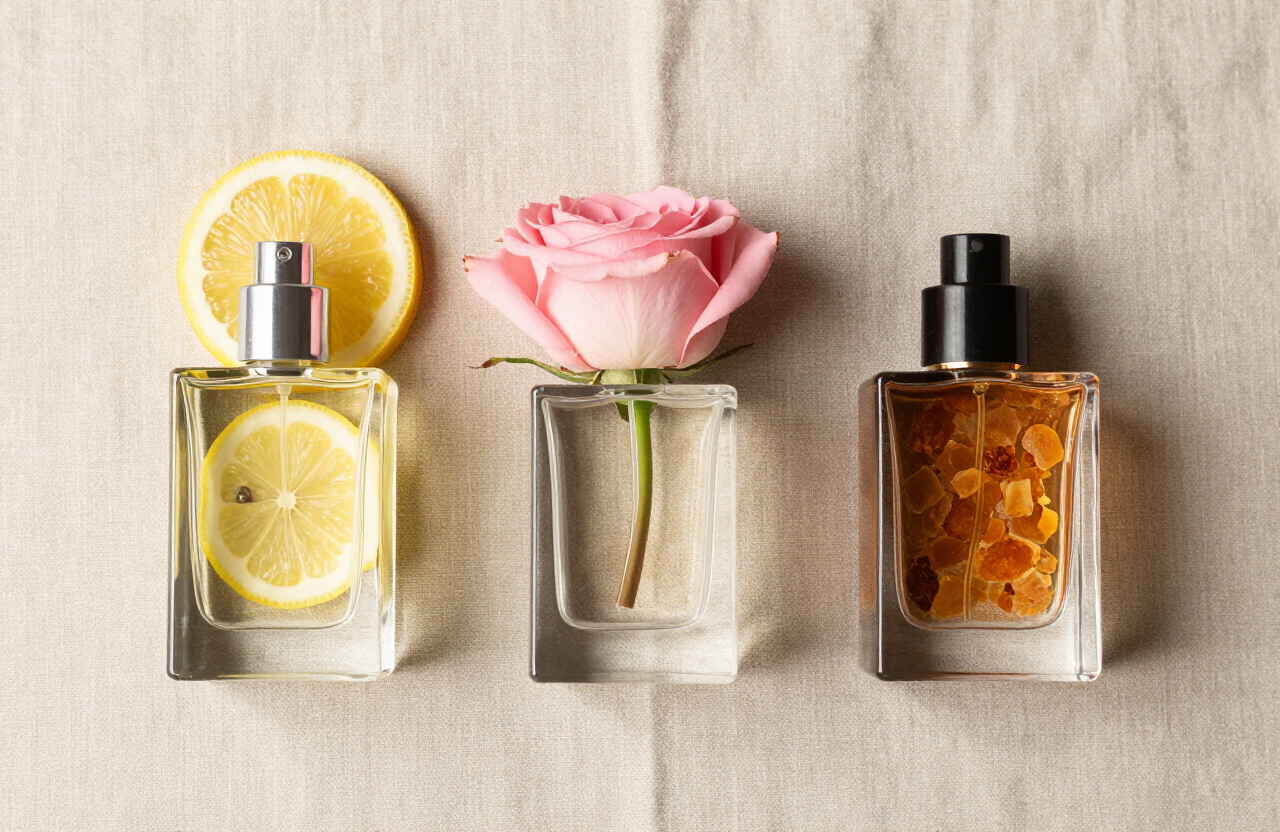
Every well-constructed fragrance is built in three layers, and understanding them changes how you shop for one. Top notes are what you smell in the first few minutes, usually citrus, light florals, or herbs, designed to make a striking first impression before fading within fifteen to thirty minutes. Heart, or middle, notes emerge next and form the actual character of the scent, often florals, spices, or fruit, lasting for the next few hours. Base notes are what remains hours later, typically woods, musks, amber, or vanilla, and they're what someone will still catch on your scarf the next day. A perfume that smells incredible in the first ten minutes at the counter and disappointing by the afternoon usually has weak base notes relative to its top notes, which is exactly why it's worth smelling on skin, not just from the bottle, before you commit to a full size.
Choosing Scent Families That Actually Match Your Life
Fragrance families carry fairly consistent emotional associations across most people, which makes them a useful starting point, not a strict rule.
- Citrus and green notes: read as fresh, energizing, and clean, a reasonable default choice for daytime or work.
- Florals: range widely, from soft romance to modern sharpness, depending on the dominant flower.
- Woody notes: read as grounded and confident, often reached for when you want to feel more stable or more in command.
- Amber, vanilla, and other warm orientals: read as sensual and comforting, and tend to intensify with body heat, which makes them a popular evening choice.
- The sweet family (gourmand): dessert-like notes such as vanilla, caramel, and cocoa read as playful and comforting, and beginner guides often skip it despite it being well worth knowing.
- The aquatic or fresh family: reads as clean and modern in a lighter, less acidic way than the classic green fragrance, and it's the other family that tends to get overlooked and deserves attention.
Building a Wardrobe Instead of Buying One Bottle at a Time
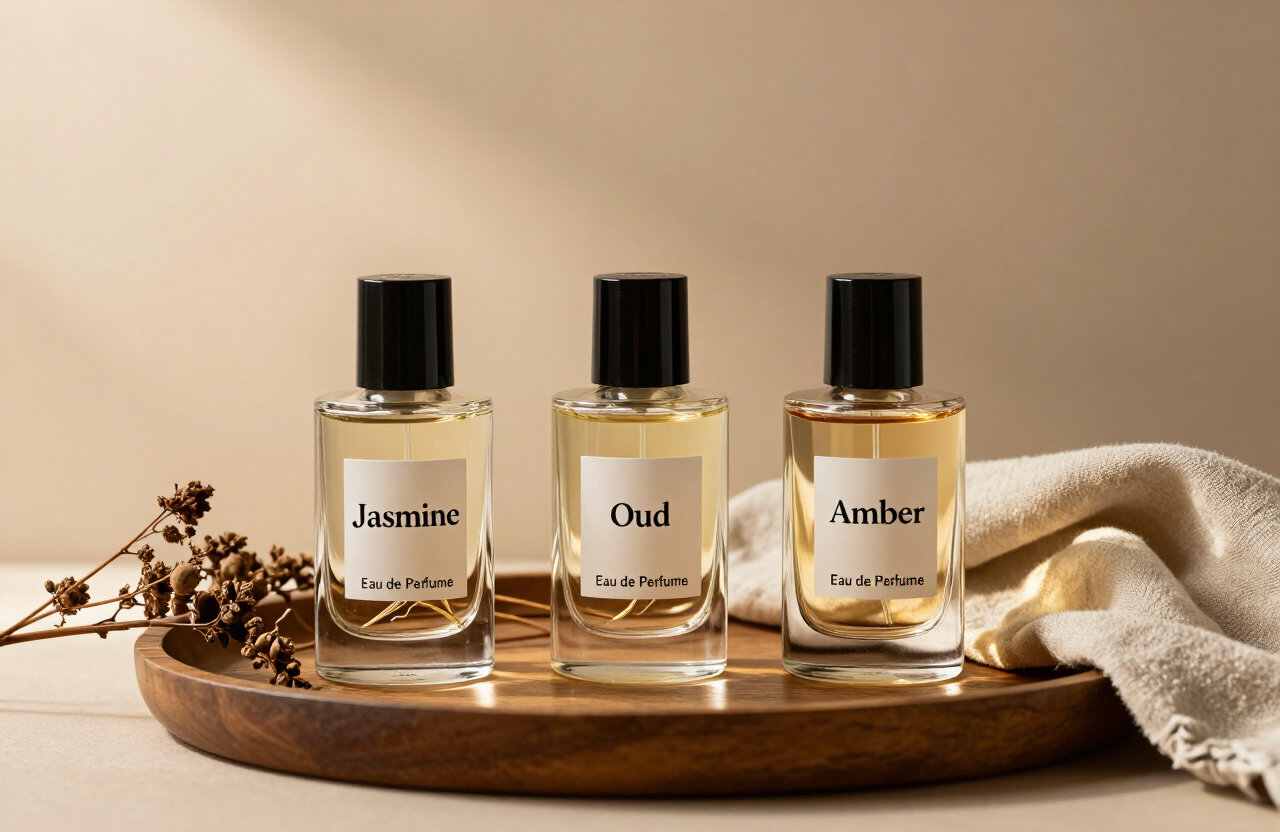
A genuinely useful fragrance wardrobe covers a small number of distinct situations rather than accumulating bottles that all smell similar. A reasonable starting set includes one everyday scent, light and inoffensive enough for the office or errands; one evening or occasion scent, richer and more attention getting; and one seasonal outlier, something warmer for winter or lighter for summer than your everyday choice, since temperature and humidity genuinely change how a fragrance reads on skin. Beyond these three, additions should fill a specific emotional or situational gap you've actually noticed, rather than simply because a new release is trending online.
How to Layer Fragrances Without Overwhelming Your Senses
Layering is where a perfume collection becomes truly personal, instead of simply rotating ready-made formulas created for someone else:
- Start with a scented body product a lotion or oil with a complementary or matching scent, applied before your perfume. It extends the fragrance's longevity and softens its opening.
- Apply perfume to your pulse points where the skin is warmest. This helps the scent bloom and project, rather than sitting flat.
- If combining two fragrances, place the lighter, simpler scent under the more complex one, instead of pairing two equally loud fragrances, which tend to compete rather than blend.
- Test any new combination on your skin for a full hour before judging it. Layered scents evolve far less predictably as they dry down than a single fragrance does.
- A practical rule for beginners: start with two fragrances from the same scent family, or from two neighboring ones, like a citrus paired with a light woody. Only then experiment with combinations from opposite ends of the spectrum, like a heavy oriental with a sharp green. Those pairings take more experience to read as intentional rather than chaotic.
Layering is where a fragrance wardrobe becomes genuinely personal rather than just a rotation of other people's finished formulas. Start with a scented body product, a lotion or oil in a complementary or matching scent, applied before perfume, since it extends wear time and softens the fragrance's opening. Apply perfume to pulse points where skin runs warmer, which helps the scent diffuse rather than sitting flat. If combining two fragrances, layer a lighter, simpler scent underneath a more complex one rather than combining two equally loud fragrances, which tend to compete rather than blend. Test any new combination on skin for a full hour before deciding, since layered scents shift more unpredictably as they dry down than a single fragrance does. A practical rule for beginners: pair two fragrances from the same scent family or from neighboring families, such as a citrus with a light woody, before experimenting with combinations from opposite ends of the spectrum, like a heavy oriental with a sharp green, since those pairings need more practice to read as intentional rather than muddled.
Why the Same Perfume Smells Different on Different People
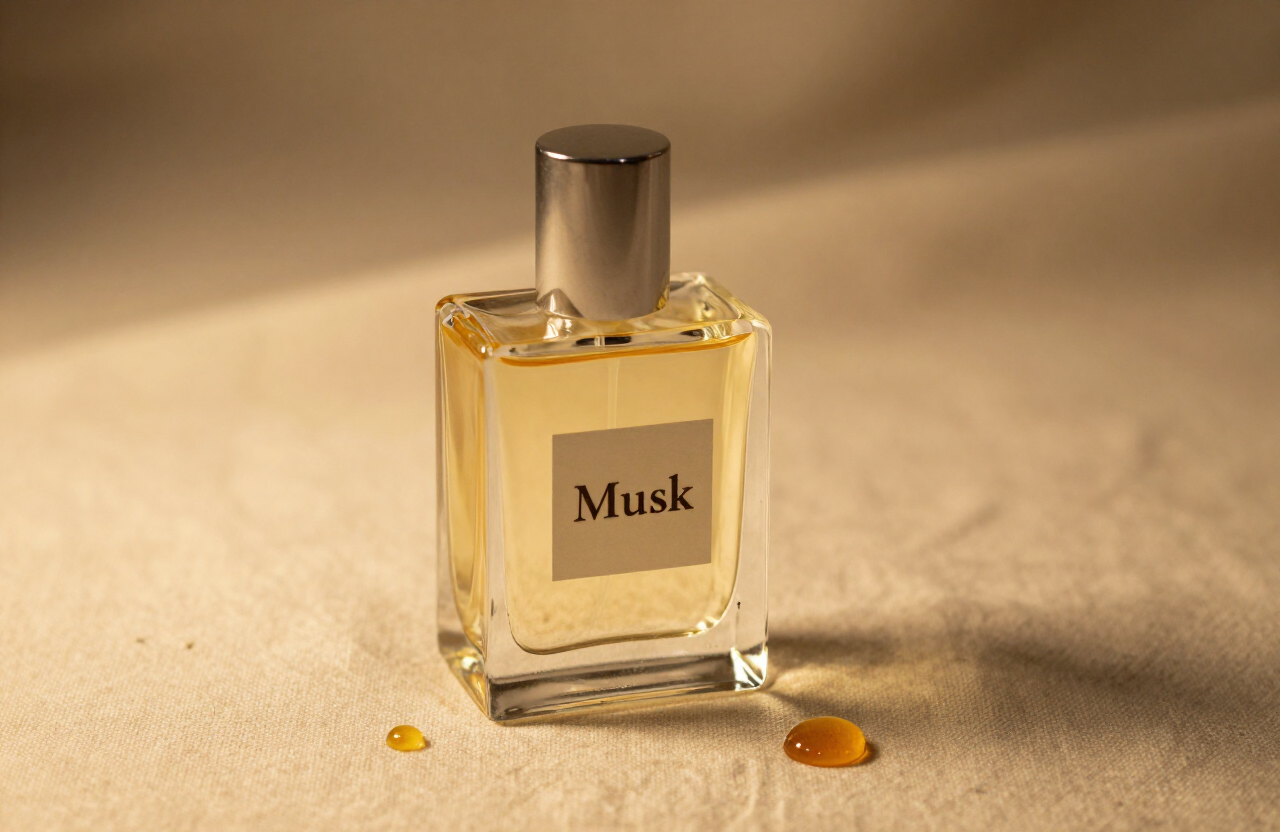
This isn't an inconsistency in the formula. It's your own skin chemistry interacting with the fragrance's base notes, influenced by factors including your natural oil production, diet, and even the medications you take, all of which affect how base notes read once a fragrance has dried down for an hour or more. This is exactly why testing on your own skin, rather than trusting a description or how it smelled on a friend, matters more than any other single piece of fragrance shopping advice. A scent that reads as warm vanilla on one person's skin can read as noticeably sharper or sweeter on another's. Climate and season shift this further: the same fragrance tends to project stronger and sweeter in heat and humidity, and read as noticeably quieter and drier in cold weather, which is part of why a genuinely built fragrance wardrobe includes a seasonal option rather than a single bottle worn identically in July and January.
Fragrance Trends worth knowing
A few real shifts are worth knowing before you shop, separate from any single brand's marketing. The skin scent trend favors fragrances built to sit close to the body rather than project across a room, often built around musks, soft woods, and warm, skin like base notes that read as though they were always part of you rather than something applied on top. Clean and transparent formulation has moved from a niche claim to a mainstream expectation, with more fragrance houses publishing ingredient lists and sourcing details the way skincare brands have for years. Layering has shifted from an occasional trick to a stated strategy, with more brands releasing layering sets explicitly designed to be mixed rather than worn alone. Gender neutral fragrance has kept growing too, with strict "his and hers" marketing continuing to soften in favor of scent families organized by mood or note rather than by who is supposed to wear them. And a quieter counter-trend, sometimes described as fragrance minimalism, has pushed back against loud, maximalist scents in favor of a smaller, more intentional collection worn with more restraint, which lines up neatly with the wardrobe approach this guide already recommends.
Common Fragrance Wardrobe Mistakes to Avoid
Simple everyday habits can quietly damage the quality of your perfume collection — even one chosen with great care. Here are the most common ones, and how to avoid them:
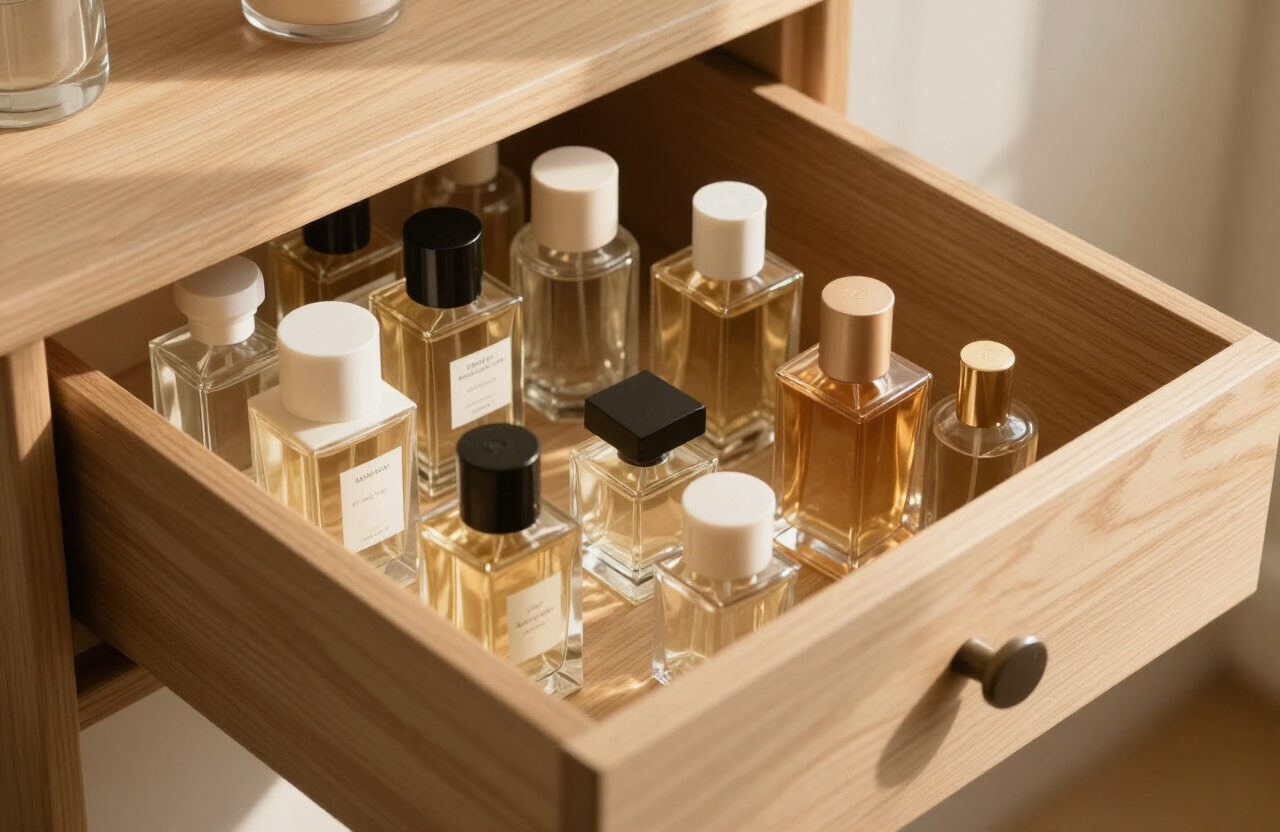
- 1Storing perfumes in the bathroom — The problem: The bathroom is the worst place in your home for perfumes. Heat and humidity shift constantly there, breaking down fragrance oils faster than almost anywhere else. The fix: Keep your bottles in a drawer or closed cabinet, away from direct sunlight and temperature swings. Your perfumes will last far longer.
- 2Over-spraying — The problem: The most common mistake of all, and the good news is it's easy to fix. The fix: Two to four sprays are enough, applied to your "pulse points" — the warm spots on your body like the wrists, behind the ears, and the neck. These points radiate your body heat, releasing the scent gradually throughout the day. This amount works for most fragrances, especially eau de parfum (the medium concentration, and the most common on the market).
- 3Re-spraying just because you can't smell your perfume anymore — The problem: Your sense of smell tires quickly from a familiar scent, so you stop noticing your perfume even though it's still there. The result: You spray again, and end up wearing far too much for everyone around you, even if you can't smell a thing yourself.
- 4Buying a perfume just for its bottle or its ad campaign — The problem: This is one of the biggest reasons collections fill up with bottles you never touch. The fix: Test the fragrance on your skin for at least a full hour before buying. A scent changes with your body chemistry, what charms you in the store may not charm you an hour later.
- 5Clinging to the same signature scent forever — The problem: Treating your perfume as a fixed, unchanging choice, instead of tying it to the season and the occasion. The truth: Your skin chemistry, the climate, and your personal taste all shift over the years. The collection you built in your twenties isn't meant to stay the same a decade later.
Remember: A good perfume is discovered up close, it doesn't announce itself from across a room.
Frequently Asked Questions
How many perfumes should a signature fragrance wardrobe have?
Most people find three to five bottles genuinely useful, an everyday scent, an evening or occasion scent, a seasonal alternative, and one or two for layering or specific moods, rather than a large collection that mostly goes unused.
How do I find my signature scent if I like everything?
Test on skin, not paper, and wait a full hour before judging. Most "I like everything" experiences fade once you compare how each fragrance's actual base notes read on your specific skin rather than its opening minutes.
Why does my perfume smell different by the evening?
That's the fragrance moving through its top, heart, and base notes as the more volatile top note ingredients evaporate first, revealing the longer lasting heart and base notes underneath. A well made fragrance is designed to evolve over the course of the day.
Is it okay to wear the same perfume every day?
Yes, and there's a real upside: wearing one scent consistently strengthens its specific association with you in other people's memory, which is part of what makes a fragrance feel like a signature rather than just a product you're wearing.
Does perfume expire?
Yes, typically within three to five years of opening, and faster with heat, light, and air exposure. Citrus forward fragrances tend to degrade fastest, while amber and woody based scents generally hold their character longest.
Where should I actually apply perfume for it to last longer?
Pulse points, wrists, neck, and behind the ears, run warmer and help diffuse the scent, but hair and clothing tend to hold fragrance longest of all since they don't have the natural oils and warmth that cause perfume to break down faster on skin.
Is spraying perfume into the air and walking through it a good way to apply it?
It distributes fragrance lightly, but it wastes most of the product before it ever touches skin or clothing. Spraying directly onto pulse points or hair gives you far more control over intensity and how long the scent actually lasts.
What is a "skin scent" and why is it trending?
A skin scent is a fragrance built to sit close to the body rather than project outward, usually built on soft musks, warm woods, and skin like base notes. It's trending because it reads as effortless and personal rather than announced, which fits neatly into the broader shift toward fragrance minimalism.
How much perfume should I actually spray?
Two to four sprays of eau de parfum on pulse points is enough for most people and most formulas. Because your nose adjusts to your own scent within minutes, not being able to smell it on yourself isn't a reliable sign that you need more.
Can I layer perfumes from different brands?
Yes. Fragrance doesn't care which brand made it; only the actual notes matter. A lighter, simpler scent from one brand worn under a more complex scent from another works exactly the same as layering within a single brand's dedicated layering set.
Conclusion
A fragrance wardrobe, built with a little intention, does something a wardrobe of clothes can't quite manage: it reaches people through a neural pathway that bypasses conscious thought entirely. That's not a small thing to hand to a bottle you grabbed on impulse at an airport counter. Build the small rotation deliberately, test everything on your own skin, follow the trends that genuinely suit you rather than all of them at once, and let the scent do the introducing before you've said a word.
For more on building a personal image that feels genuinely yours, keep exploring the Glow Pillar.
References:
- [1] Cleveland Clinic. Clinical overview of the direct neuroanatomical pathway linking olfactory processing to the amygdala and hippocampus.
- [2] Peer-reviewed research on odor-evoked autobiographical memory and its distinct emotional and physiological characteristics.
- [3] Contemporary perfumery references on fragrance note structure (top, heart, and base) and scent-family classification.
- [4] Industry trend reporting on skin scents, clean formulation, and fragrance layering culture in contemporary perfumery, 2024 to 2026.