
How Travel Heals: Wanderlust Wellness Guide
How travel actually heals in 2026: the tourism-psychology research behind it, and the three conditions that make a trip truly restorative rather than a brief escape.
"I need a trip" usually means something more specific than it sounds: a need to stop performing a role, to be somewhere your nervous system doesn't already associate with deadlines, and to come back different rather than just tanned. Tourism psychologists who study this have found that travel really can move measurable markers of stress and mood, but the effect depends heavily on how the trip is structured, not just where it goes. This guide unpacks what the research says about travel as a healing tool, the difference between a trip that resets you and one that just delays the crash, and how to plan your next journey with recovery actually built in.
In this guide:
- Why travel measurably lowers stress
- The three conditions that make a trip therapeutic
- What different types of trips actually do
- Planning a trip with healing in mind
- Where travel's limits are
- Bringing the benefits home
Why Travel Measurably Lowers Stress
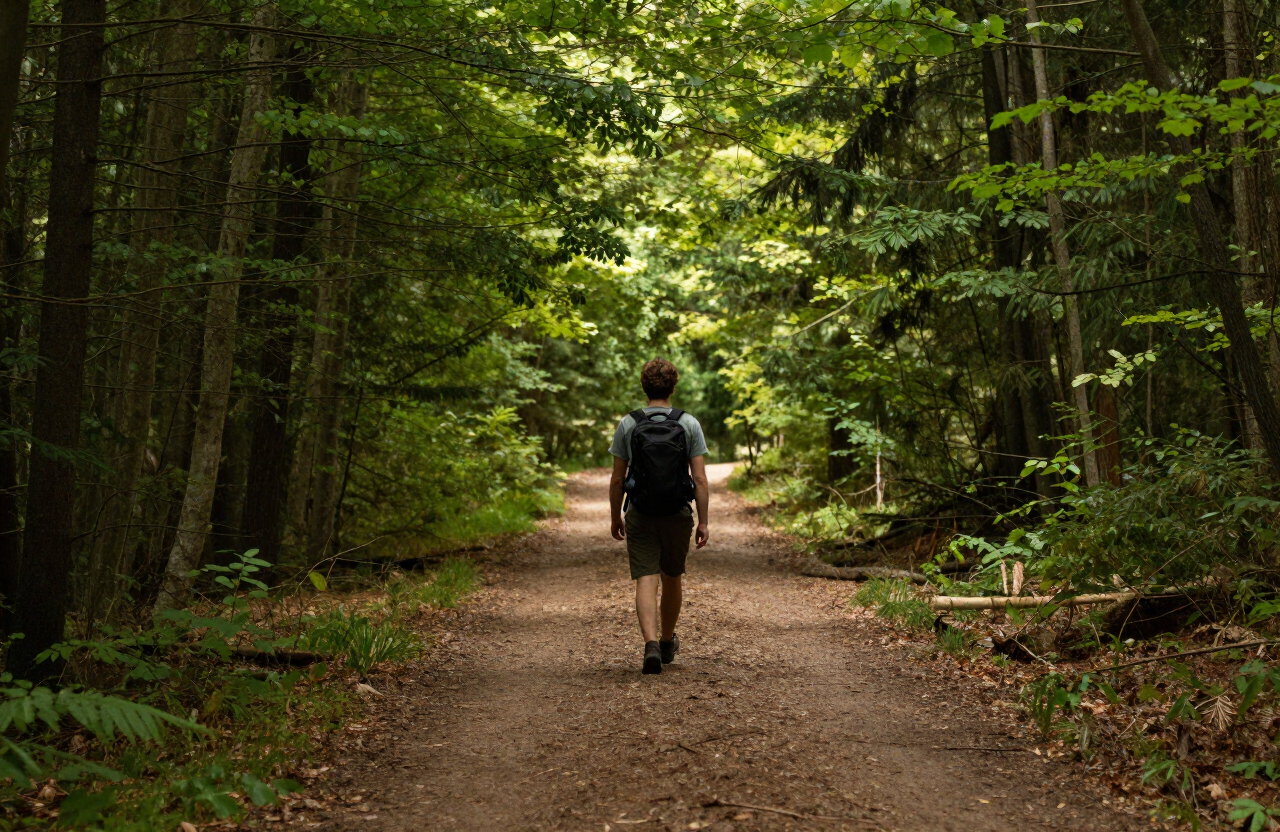
Research on leisure travel consistently links it to lower cortisol levels, reduced anxiety, improved mood, and greater life satisfaction, findings that hold up across psychology, public health, and gerontology research alike. Some of this is simple physiology: removing yourself from the specific environments your body has learned to associate with pressure interrupts the stress response that keeps cortisol elevated day after day. Some of it is cognitive: unfamiliar places demand the kind of active, moment-to-moment attention that leaves less room for rumination, the looping, backward-facing thinking that keeps anxiety alive.
There's also a resilience effect that shows up specifically with international or unfamiliar travel. Navigating a language barrier, an unfamiliar transit system, or an unwritten cultural norm forces a kind of rapid problem-solving that, done successfully, builds genuine confidence, not the performed kind, but the kind that comes from evidence you can handle the unexpected. Researchers studying tourism increasingly treat this as a form of informal, adaptive mental-health support, distinct from but complementary to clinical care.
The Three Conditions That Make a Trip Therapeutic
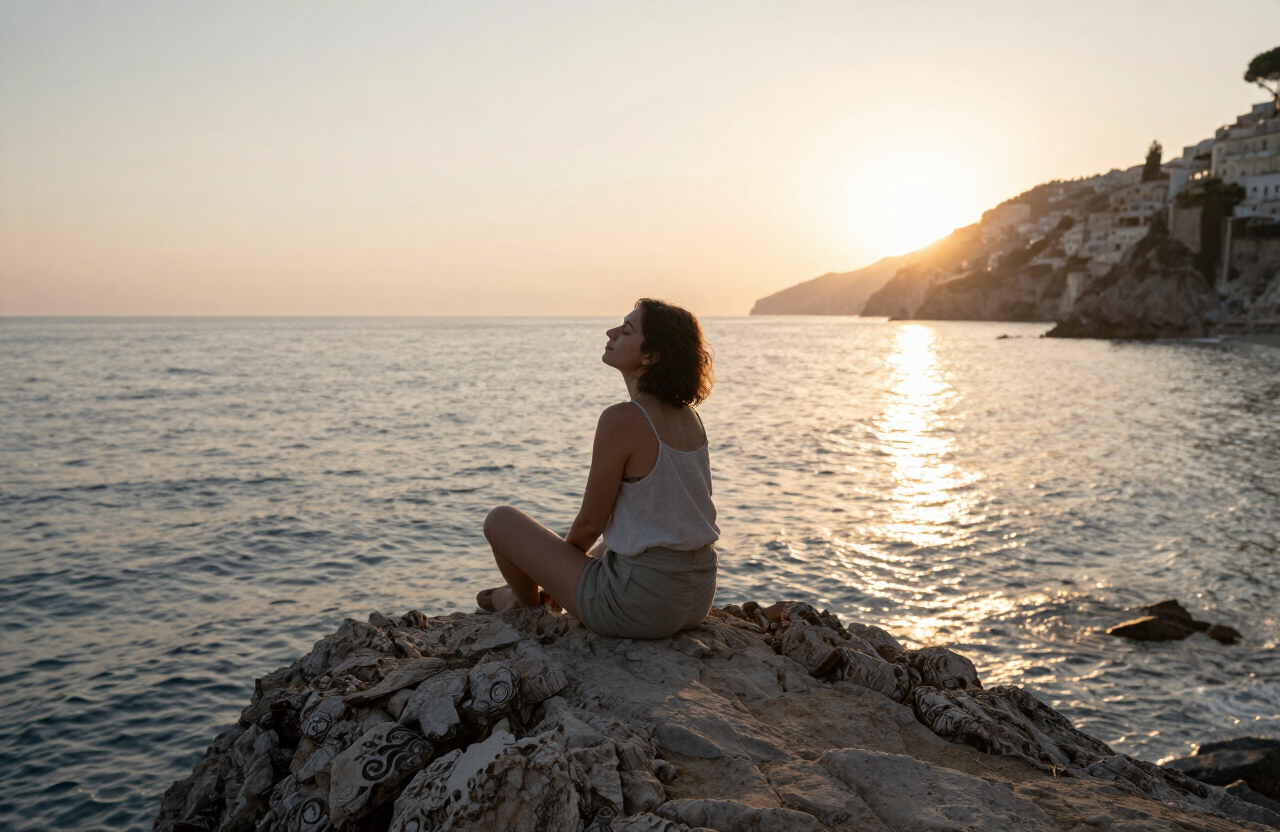
Not every vacation heals, and the research is fairly specific about why. A trip tends to produce lasting psychological benefit when it includes three things: genuine psychological detachment from daily stressors, active engagement with novelty in the new environment, and intentional reflection during or after the trip. Skip any one of these and you typically get a brief mood lift that fades within days of returning home, pleasant, but not the reset you were hoping for.
Detachment means more than physical distance; it means actually stepping out of your usual roles, which is why a work trip rarely feels restorative even when it involves a hotel pool. Engagement means resisting the pull to spend the whole trip on your phone, curating rather than experiencing. And reflection, through journaling, quiet unstructured time, or simply asking yourself what shifted, is what turns a pleasant week into something that changes how you approach the weeks after it.
What Different Types of Trips Actually Do
Different travel styles work through different psychological channels, and 2026's wellness-travel trends reflect that people are getting more specific about what they need rather than defaulting to "anywhere but here."
- Digital detox retreats: structured time away from screens, shown to ease the anxiety and sleep disruption linked to constant connectivity.
- Nature immersion: forest, coastline, or mountain settings that reliably lower stress hormones; researchers estimate nature-based tourism generates roughly $6 trillion a year in mental-health value worldwide, including billions in reduced healthcare costs.
- Culinary and cultural immersion: engaging a new place through food and tradition builds the cognitive novelty that drives resilience benefits.
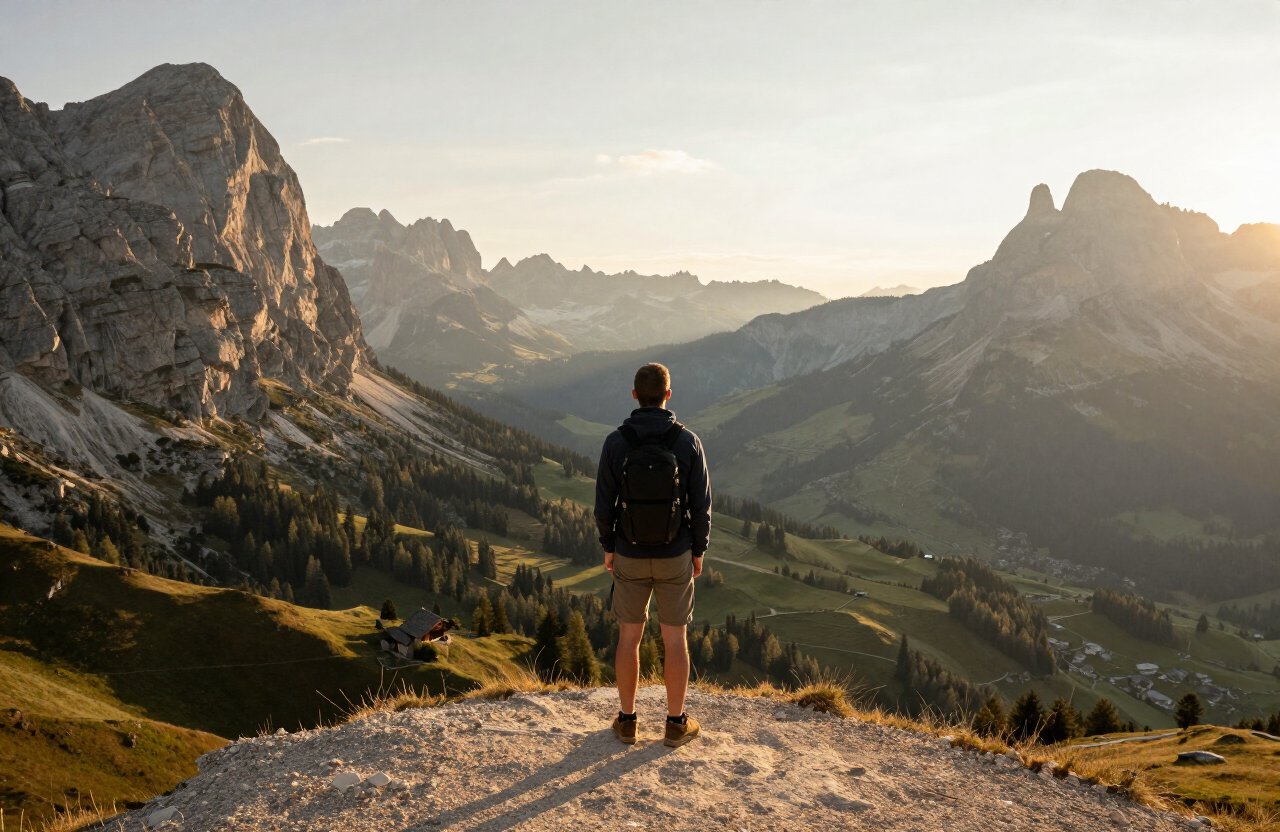
- Active and adventure travel: hiking, diving, or expedition-style trips that combine nature exposure with the confidence-building effect of meeting a physical challenge.
- Personalized wellness retreats: increasingly tech-assisted itineraries built around an individual's specific stress patterns rather than a one-size-fits-all spa package.
Planning a Trip With Healing in Mind
The Global Hotel Alliance's 2026 travel trends research points to a broader shift: travelers choosing fewer, more intentional trips over frequent, reactive ones. If you're planning your next trip around recovery rather than just logistics, a few adjustments make a measurable difference. Set an intention before you leave that isn't about productivity or sightseeing, ask yourself directly what you want to feel differently about when you get home. Put real boundaries on device use, especially work email; even a partial digital detox meaningfully improves sleep and lowers reported anxiety. And build in unstructured time deliberately, since the reflection that consolidates a trip's benefits rarely happens while you're rushing between reservations.
Where Travel's Limits Are
Travel is a legitimate, evidence-backed tool for managing everyday stress and building resilience — but it isn't therapy, and a 2025 network meta-analysis on travel and clinical anxiety or depression found the effect depends heavily on preparation, style, and intent rather than being automatic. For frequent business travelers, travel itself is often the stressor rather than the cure, and the framework above needs to be applied deliberately rather than assumed. Used well, travel complements existing mental-health support; it isn't a substitute for it, and if you're navigating a diagnosed condition, that support should stay in place around any trip you take.
Bringing the Benefits Home
The part of the trip most people neglect is the landing. Coming home to a full inbox and an immediately packed calendar can erase a week's worth of lowered cortisol within a couple of days, which is why researchers increasingly recommend treating re-entry as part of the trip rather than the end of it. A buffer day between your return flight and your first day back at work gives your nervous system time to downshift rather than slamming from novelty back into routine. Reverse culture shock is real even after a domestic trip, the sudden return to familiar demands can feel oddly deflating, and naming that instead of pushing through it tends to shorten it.
The reflection piece matters here too: a short journal entry in the days after you're home, specifically about what felt different and what you want to carry forward, is what actually converts a good trip into a lasting shift in how you handle stress, rather than a pleasant memory that fades the moment the laundry's done. Some of the most consistently reported carry-overs are small and portable: a walking habit picked up from a city that felt good to explore on foot, a slower breakfast routine borrowed from somewhere the pace of life was different, or simply a clearer sense of what daily stress actually feels like once you've had a real break from it to compare against.

Frequently Asked Questions
How long does a trip need to be to have a psychological benefit?
Even short trips of two to three days show measurable mood and cortisol benefits, provided they include real detachment from routine, length matters less than how deliberately the time is used.
Is a beach vacation as restorative as an adventure trip?
Both can work, through different channels: passive nature exposure lowers stress hormones effectively, while active or unfamiliar experiences add a resilience and confidence benefit that pure relaxation doesn't provide on its own.
Does traveling alone heal differently than traveling with others?
Solo travel tends to amplify the reflection and self-reliance benefits, while travel with others adds a social-connection benefit that solo trips lack, neither is inherently more healing, they simply work on different fronts.
Can travel replace therapy for anxiety or depression?
No. Research supports travel as a complementary tool that can ease symptoms and build resilience, but it isn't a substitute for clinical treatment when a diagnosed condition is present.
What's the single highest-impact change I can make to my next trip?
Build in unstructured time. Overpacked itineraries leave no room for the reflection that converts novelty into lasting benefit, so even cutting one planned activity per day tends to improve how restorative the whole trip feels.
Is a staycation psychologically similar to traveling somewhere new?
Only partially. A staycation can offer detachment and reflection, but it typically lacks the novelty component that drives the resilience and cognitive-flexibility benefits, deliberately visiting an unfamiliar part of your own city can help close that gap.
Conclusion
The trips that actually change how you feel long after you've unpacked share a pattern: real detachment from routine, genuine engagement with somewhere unfamiliar, and space to reflect on what shifted. Book with those three conditions in mind rather than just a destination, and even a modest trip can outperform an expensive one that skips them.
Don't let healing be just a short annual break, make it part of your day. Explore more ideas and inspiration in the Heal Pillar at healzenglow.com/heal.
References:
- [1] Global Hotel Alliance (2026). Travel Trends Survey.
- [2] A 2025 network meta-analysis on travel-based interventions for anxiety and depressive symptoms, as reported in tourism-psychology literature.
- [3] Research on nature-based tourism's estimated global mental-health and healthcare-cost value, cited in tourism psychology reviews (2026).